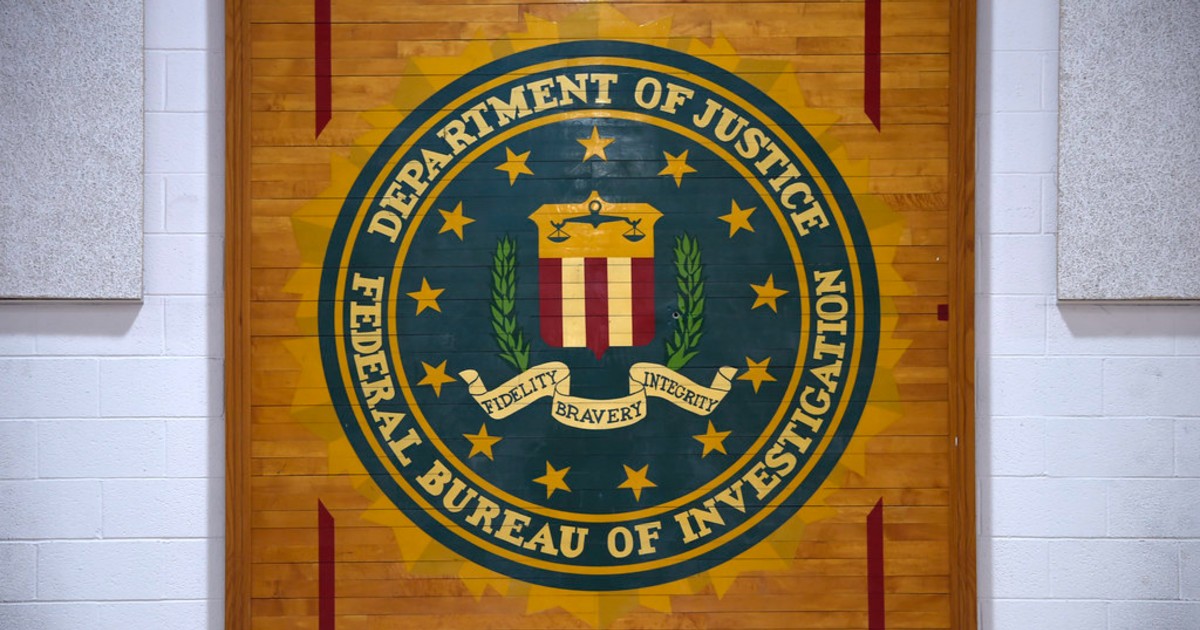

Former FBI Agents’ Political Influence
https://share.gemini.google/xozV7X7GKiPB
The organizations and informal networks composed of former Federal Bureau of Investigation (FBI) agents represent a unique and potent political force in Washington. While active agents are legally bound by the Hatch Act and institutional protocols that prohibit partisan political activity, retired and former agents face no such restrictions.
Through formal associations—such as the Society of Former Special Agents of the FBI—and robust, informal alumni networks, these individuals exert significant influence over national security policy, public perception, and structural reforms within the intelligence apparatus.
Mechanisms of Influence
The political power of former FBI agents is not typically exercised through traditional grassroots mobilization, but rather through elite networking, media presence, and institutional gatekeeping.
-
Media and Narrative Shaping: Former directors, deputy directors, and Special Agents in Charge (SACs) frequently transition into roles as contributors for major news networks. In this capacity, they shape public understanding of complex counterintelligence operations, federal investigations, and legal frameworks. By leveraging their law enforcement credentials, they can effectively legitimize or delegitimize the actions of political figures and the stated objectives of intelligence agencies.
-
The Private Intelligence Nexus: Many former agents move into the private sector, joining corporate security firms, private intelligence organizations, or defense contractors. This revolving door creates a powerful nexus between private industry and the state security apparatus. These alumni networks often maintain back-channel communications with active personnel, facilitating a flow of information and influence that blurs the line between public law enforcement and private enterprise.
-
Lobbying and Institutional Defense: Former agent organizations act as highly effective lobbying groups for the Bureau’s interests. They frequently mobilize to defend the FBI’s budget, operational jurisdiction, and institutional independence. Because they speak with the authority of former insiders, their lobbying efforts are often received by lawmakers not as partisan advocacy, but as expert, apolitical security advice.
The Friction with Structural Reform
The influence of these organizations becomes most visible—and most controversial—during periods of proposed reorganization within the U.S. federal government. When the executive branch or legislature attempts to enact structural reforms within the intelligence community, former agent networks frequently act as a bureaucratic and political buffer.
Current initiatives aimed at reorganizing the federal law enforcement apparatus face unique friction from these networks. Legislative and executive efforts—from debates surrounding acts designed to overhaul counterintelligence architecture to aggressive shifts in agency leadership and operational mandates—often encounter organized pushback. Former agents frequently publicly frame these structural reorganizations not as necessary oversight or modernization, but as politicized attacks on the rule of law and the integrity of the institution.
This dynamic creates a profound tension. Proponents of reform argue that these alumni networks exert “undue” influence, functioning as an entrenched defense mechanism that protects the Bureau from democratic accountability and necessary structural change. Conversely, supporters of the FBI argue that these former agents are essential defenders of an institution that must remain insulated from the partisan demands of whichever political administration currently holds power.
The Tradecraft of Political Leverage
The political power of these groups is ultimately rooted in the perceived objectivity of their former profession. Because the FBI’s brand is heavily tied to impartial forensic analysis, investigative tradecraft, and the pursuit of objective facts, former agents can deploy their opinions with a veneer of scientific and legal certainty. When this operational authority is translated into the political arena, it becomes a highly effective tool for steering grand strategy, influencing oversight committees, and shaping the trajectory of national security policy.
Would you like to examine how these alumni networks specifically mobilize their influence to counter contemporary legislative reform proposals, or focus more on their role in shaping public narratives regarding specific counterintelligence operations?
__________________________________
Michael Novakhov – @mikenov
AI Assessment: The undue political influence on Presidential Elections: Former FBI Agents Organizations and their political power
“Undue political influence” on presidential elections by both active and former FBI agents and their organizations is a subject of significant debate and public concern, with allegations that some individuals and organizations have at times acted in ways that were perceived as politically biased or as attempts to influence election outcomes. [1, 2] Key points regarding the influence and political power of these groups include: Perceptions of Politicization: Public opinion regarding the FBI and its personnel has become increasingly polarized along partisan lines, with a significant percentage of voters believing the agency has been “politically weaponized”. This perception often stems from high-profile investigations related to presidential candidates, such as the Hillary Clinton email inquiry in 2016 or investigations into the Trump campaign’s ties to Russia. Actions by Active and Former Agents: High-Profile Incidents: Specific incidents involving active agents, such as the text messages exchanged between former FBI officials Peter Strzok and Lisa Page that disparaged Donald Trump, fueled claims of political bias and undue influence. .Public Statements and Advocacy:Organizations like the FBI Agents Association (FBIAA), which is nonpartisan but represents the interests of active agents, engage in legislative advocacy and have issued public letters raising concerns over matters they perceive as political interference in the bureau’s operations, such as the summary termination of agents without due process Post-Government Activity: Former agents, once out of government service, are not bound by the same political activity restrictions (like the Hatch Act for most active agents) and may engage in political commentary or seek public office, contributing to the broader perception of the “political power” of the FBI community as a whole. Formal Political Power Limitations: Active FBI agents are generally subject to the Hatch Act and Department of Justice policies that severely restrict their partisan political activities and the use of their official authority to interfere with or affect election results. The FBI officially emphasizes its commitment to protecting election integrity and conducting its mission without political bias. Historical Context: The FBI has a long history of being involved in political controversies, dating back to the J. Edgar Hoover era, highlighting the ongoing tension between ensuring law enforcement independence and preventing political manipulation. [1, 2, 3, 4, 5, 6, 7, 8, 9, 10, 11, 12, 13] Ultimately, while formal organizations of former FBI agents do not hold direct, official power over the electoral process, their public statements, advocacy, and the actions of high-profile former agents contribute to a narrative and perception of influence that is often debated in the context of presidential elections. [12, 13]
AI responses may include mistakes.
[1] congress.gov/118/meeting/ho [2] usatoday.com/story/news/pol [3] yahoo.com/news/articles/ [4] justice.gov/jmd/political- [5] vox.com/the-big-idea/2 [6] time.com/6235552/the-fb [7] fbi.gov/how-we-can-hel [8] hageman.house.gov/media/in-the-n [9] repository.lsu.edu/cgi/viewconten [10] apmresearchlab.org/motn-fbi-trust [11] fbiaa.org/fbiaa-letter-t [12] abcnews.go.com/US/ahead-elect [13] en.wikipedia.org/wiki/FBI_Agent
The undue political influence on Presidential Elections: Former FBI Agents Organizations and their political power 3 minutes ago .”Former FBI Agents Organizations,” such as the Society of Former Special Agents of the FBI and the FBI Agents Association, do not typically wield direct, undue political influence on presidential elections in an official, coordinated manner. Their influence is generally limited to professional advocacy and the individual actions and public statements of their members However, the question of undue political influence in elections related to the FBI is a subject of significant ongoing public and political debate, primarily focusing on: Actions by current and former high-level FBI officials (acting as individuals, not on behalf of a formal “agents organization”) whose public statements or actions during an election cycle have been criticized as politically motivated or as having an impact on voters’ perceptions. A prominent example is the controversy surrounding former Director James Comey’s public statements regarding the investigation into Hillary Clinton’s emails in 2016. Allegations of institutional bias and “weaponization” of federal law enforcement, which have been raised by some political figures and commentators, often citing internal communications (like text messages between Peter Strzok and Lisa Page) or whistleblower testimony as evidence of bias against certain candidates. Advocacy and lobbying efforts by professional associations, which typically focus on issues such as pay, benefits, and working conditions for agents, rather than partisan endorsements in presidential elections. The FBI Agents Association engages in legislative advocacy, but its primary role is professional, not overtly political in the context of partisan elections. The Hatch Act, which generally prohibits federal employees, including FBI agents, from using their official authority or influence to affect the result of an election or engage in political activity while on duty. In summary, while the actions of specific individuals with ties to the FBI have been highly scrutinized for their potential impact on elections, there is no evidence that the formal organizations of former FBI agents, as collective entities, exert undue political power in presidential elections beyond typical professional advocacy and public commentary.