
 |
Michael_Novakhov shared this story . |
b’
n This was one of the greatest military deceptions of our time, involving hundreds of thousands of Moscow citizens. How on Earth did the Russians manage to conceal the Kremlin from Nazi bombardment?nnn
During WWII, the Kremlin had withstood eight full-fledged air raids. 15 different aerial bombs, over 150 incendiary bombs, even an oil tank xe2x80x93 thatxe2x80x99s what hit Moscowxe2x80x99s medieval fortress during the war. But the Kremlin suffered no significant damage. How could this have been accomplished?
Making the Kremlin one with the city
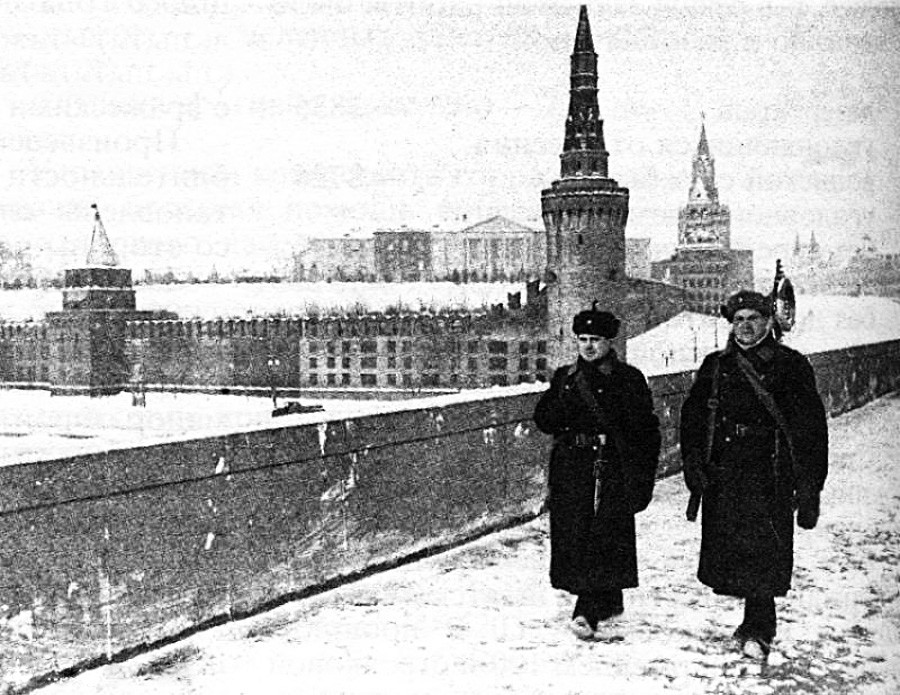
The Moscow Kremlin as seen from the Bolshoy Moskvoretsky Bridge. The Kremlin walls and towers are made to look like apartment houses.
nArchive photon
Nikolay Spiridonov, the commandant of the Moscow Kremlin in 1938-1953, was concerned with the Kremlinxe2x80x99s security right from the early days of the war. The Kremlin was not only the citadel of the Soviet government it was also the spiritual symbol of the country. So Spridonov sent a secret message to the Peoplexe2x80x99s Commissar for Internal Affairs – the infamous Lavrentiy Beria, who ordered the start of the operation intended to mask the Kremlin right away.
The task wasnxe2x80x99t easy, and involved hiding 28 square hectares of territory in plain sight, which included tall buildings, like the Kremlin towers and Ivan the Great bell tower! On July 22nd, 1941, a 250-kg German bomb struck the Kremlin Palace but didnxe2x80x99t explode
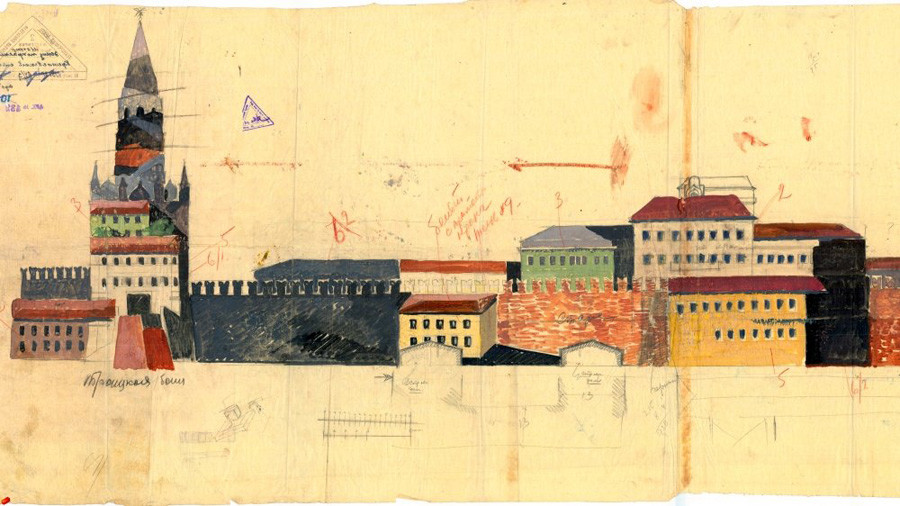
The project of the deception of the Kremlin buildings by Boris Iofan
nArchive photon
the Kremlin towers were re-painted using different colors and covered with wooden tents. Every roof inside the Kremlin was painted rusty brown so as to make them indistinguishable from typical Moscow roofs. The Kremlin grounds, paved with cobblestone, were covered up with sand. Tents painted to look like roofs were stretched over the Kremlin gardens, with facades of the buildings also painted to confuse the German pilots.
The ingenious plan was concocted by Boris Iofan, the most prominent and prosperous Soviet architect of the time
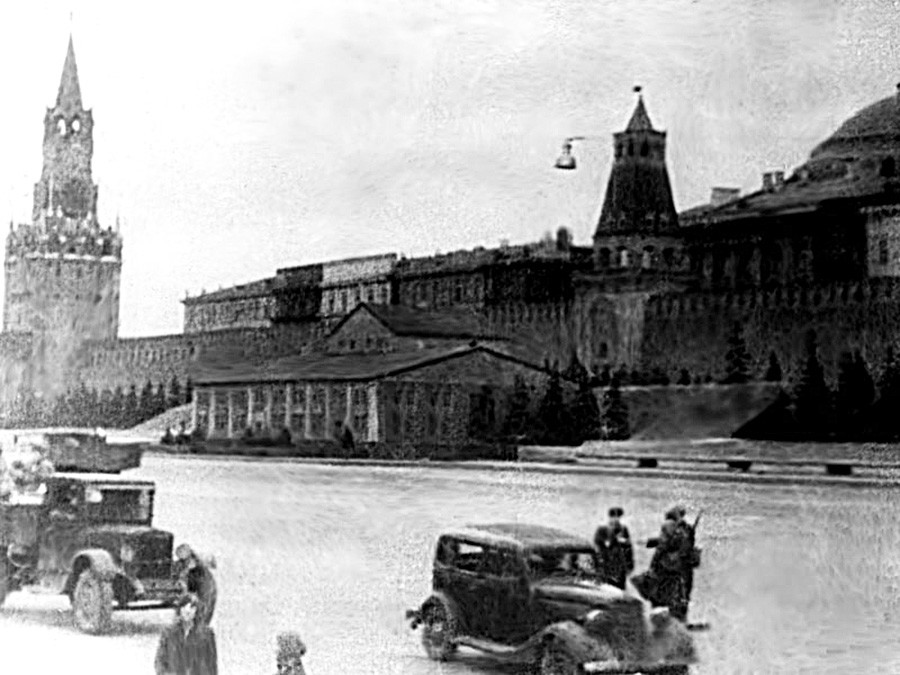
The Lenin Mausoleum disguised as a wooden house
nArchive photon
of the enemyxe2x80x99s main targets was Leninxe2x80x99s mausoleum. It was hidden under a giant square wooden tent to make it look like a building. Leninxe2x80x99s body wasxc2xa0transported away from the capitalxc2xa0and returned only in 1945.
The Moscow
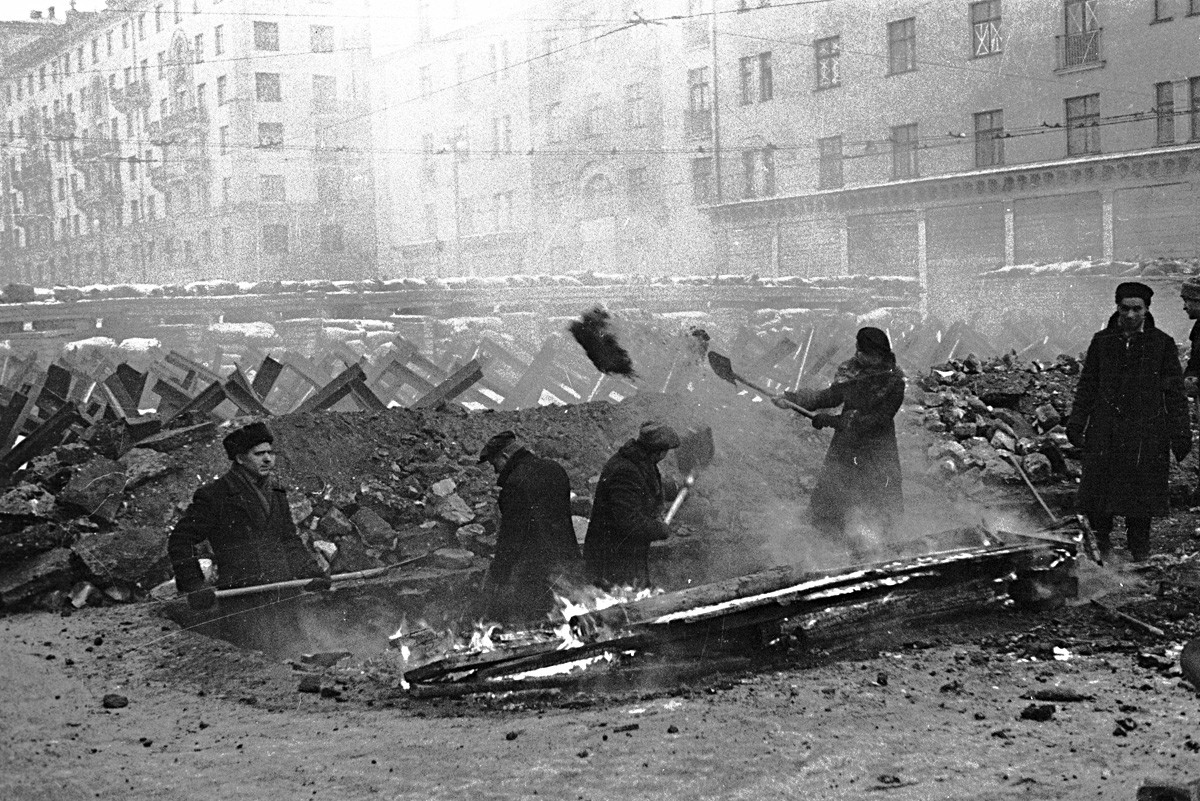
Muscovites building antitank fortifications
nAlexander Ustinov/Sputnikn
Kremlinxe2x80x99s safety wasnxe2x80x99t the only concern. There was also all of Moscow to consider. Strict security measures were enacted, and hundreds of thousands of Muscovites got to work securing the capital.
The cityxe2x80x99s population numbered around 4.6 million at the time (the population was diminished by more than half that figure following .) Many Moscow citizens had been in civil defense training in the years preceding the war, and now, sadly, it was time to apply their knowledge. Putting out incendiary bombs, covering windows with duct tape, observing a strict curfew (from 12 to 5 AM, all car and pedestrian traffic in the streets was banned). Over 200 plants and factories were evacuated from the city, while most of the remaining ones produced goods, ammo supplies for the battlefront
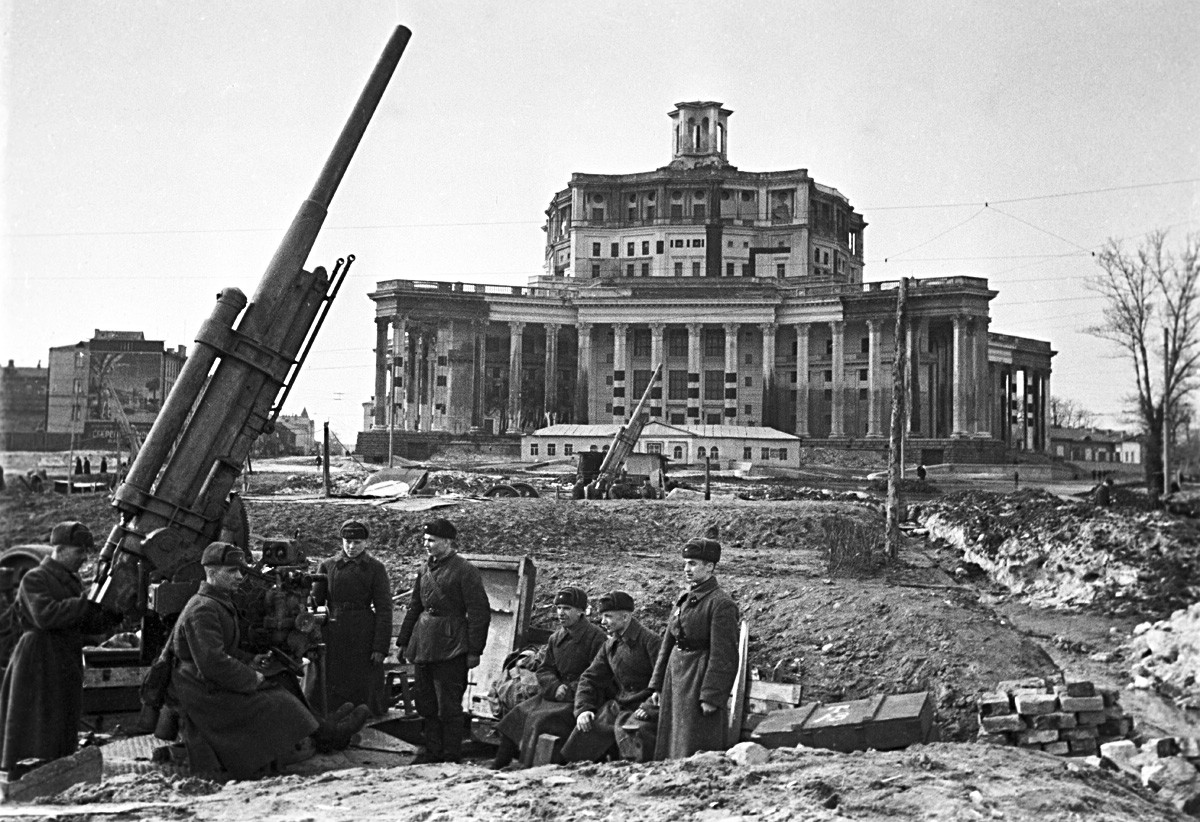
November 1941. Air defense in front of the Soviet Army Theater, Moscow
nOleg Knorring/Sputnikn
200 thousand volunteers applied at the peoplexe2x80x99s fire squads. Hundreds of thousands of Moscow people were involved in building barricades inside the city xe2x80x93 for this type of work, people were assigned by the government (no salaries were paid, of course.) On top of that, the Muscovites had constructed two vast defense lines outside the city. Their remains can still be found in the Moscow Regionxe2x80x99s forests.
Prosthetic buildings appeared all over the while existing ones were rendered unrecognizable with deceptive measures. Streets and roads were painted to look like dirt, while false streets had been painted across uninhabited areas, parks and so on. The Leningrad highway, the main road between Moscow and the north, had strategic purposes, so it was masked especially thoroughly with wooden screens imitating rooftops.
xe2x80x98Mom was always on the roof putting out bombsxe2x80x99
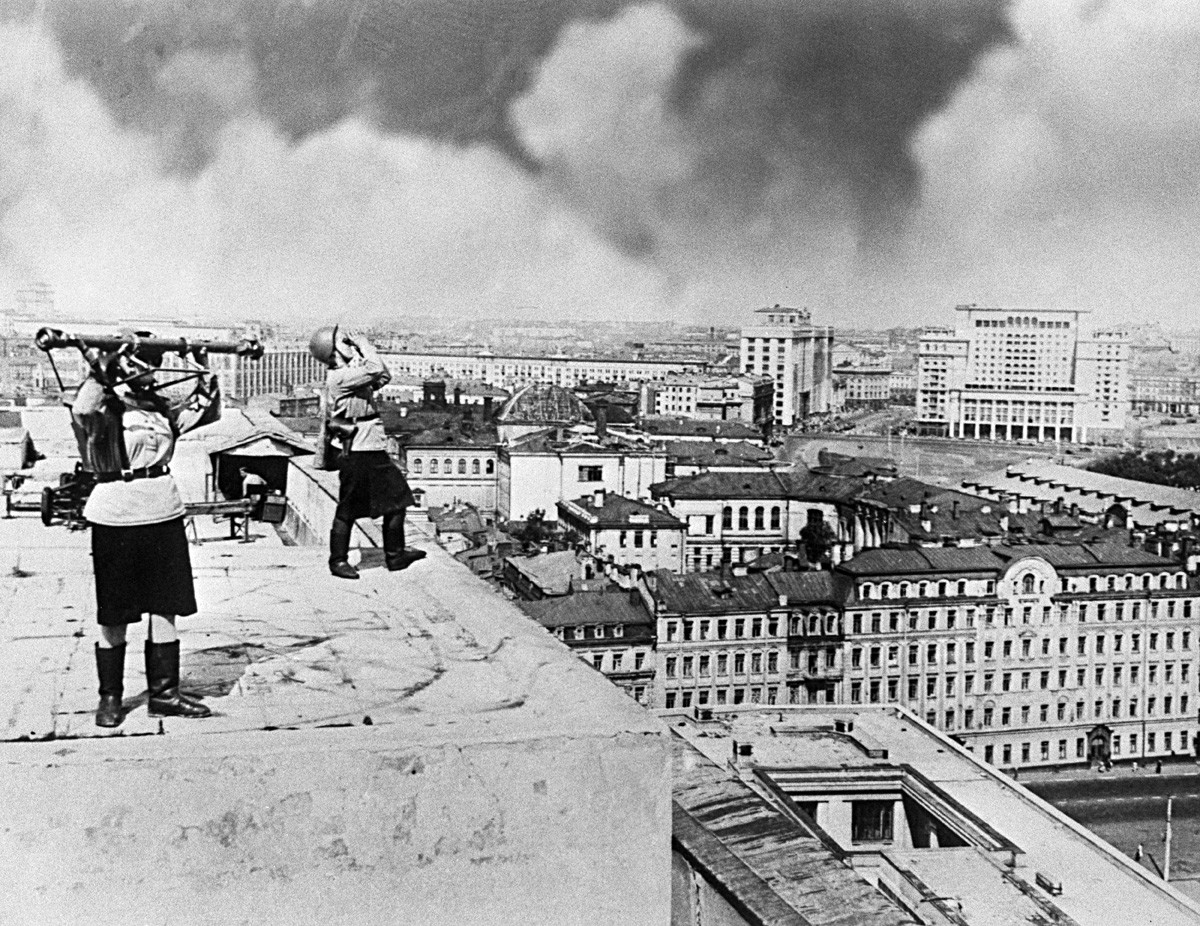
Sentry post on the roof of the Bolshoi Theatre.
nNaum Granovsky/TASSn
In his diary, Nikolay Verzbitsky, who lived in Moscow during the war, described November 7th, 1941: xe2x80x9cA somber celebration (anniversary of the October Revolution – ed.) A demonstration walks in the street xe2x80x93 200 men and women with shovels and crowbars. Itxe2x80x99s cold, itxe2x80x99s windy; snowing heavily. Huge lines for potatoes and bread. The radio malfunctioned in the morning xe2x80x93 they say itxe2x80x99s the Germans corrupting the broadcast. Several hundred tanks took part in the parade on Red Square, which calmed the Moscow public a bit. But some say: xe2x80x98Why are these tanks at the parade, they must be out on the front lines!xe2x80x99 Stalin said the war will last for several months, half a year, maybe a yearxe2x80xa6xe2x80x9d
To hide strategically important factories, sometimes their camouflage copies were created xe2x80x93 this has worked in the Nizhny Novgorod region, where a glass-and-cardboard copy of the local automobile plant was created on the outskirts of the city. The copy was lit day and night, so many German bombs were mistakenly dropped over it, preserving the actual factory
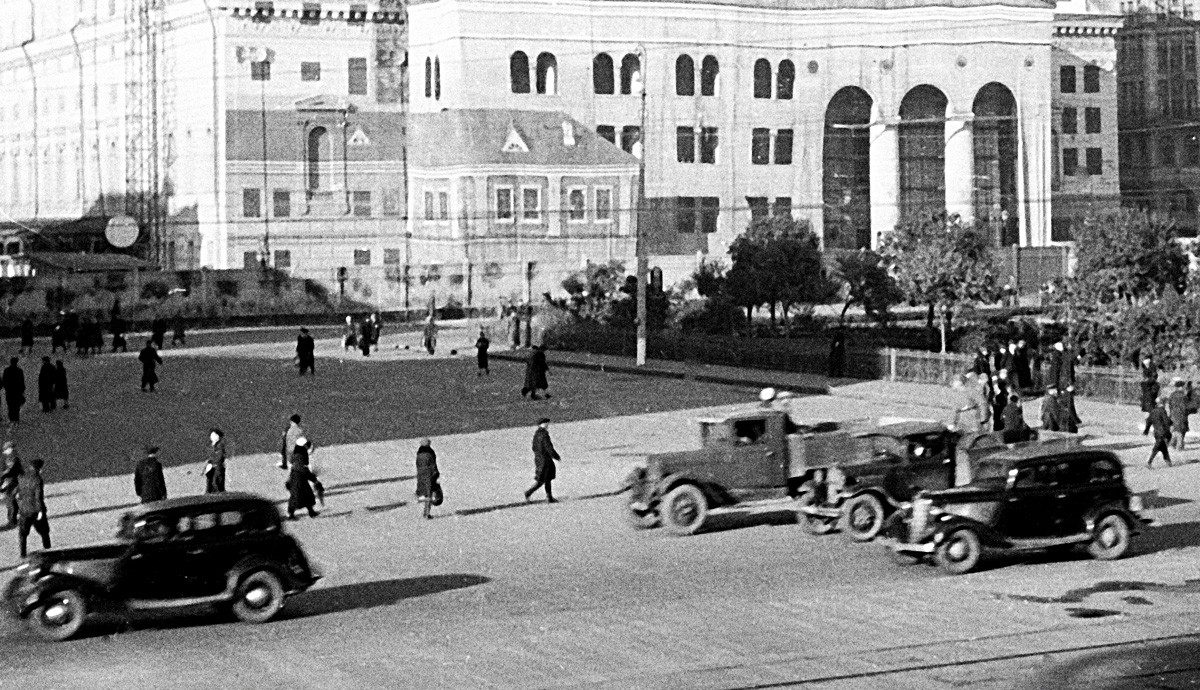
The Bolshoi Theatre disguised as an apartment house
nArchive photon
, Moscow has suffered 95 German aerial raids by night and 30 raids during the daytime, carried out by 7200 bombers. Citizens were assigned specific types of activities: some were to put out the incendiary bombs. As Tamara Rybakovaxc2xa0recalled: xe2x80x9cBombs were falling close by, hitting the roof of our house, also. They were put out by grown-ups who kept watch on the roof, my mom was among them. After each raid, my friends and I went out onto the street, collected debris into sacks and delivered them to scrap metal collection points. It was very scary, when the siren went off, everybody rushed to the bomb shelters. I was sad that mom never went with us to the shelter, she was always on the roof disposing of bombs.xe2x80x9d
That doesnxe2x80x99t mean life in the city stopped. After the immediate threat had been liquidated and the deception was done with, the Moscow Conservatory reopened. The Moscow University didnxe2x80x99t stop working during the war either xe2x80x93 106 doctor degrees and 520 candidate degrees were issued in 1941-1945. Libraries and kindergartens functioned, as well as theaters and cinemas, which mainly ran patriotic plays and movies.
As of April 1942, German air raids had destroyed 19 factories and plants (316 damaged), 69 municipal buildings (110 damaged), 226 houses (641 damaged), and over 2000 been lost. The German side has lost almost 1400 bombers over Moscow. Luckily, it was the last time Moscow was in such great peril.
n If using any of Russia Beyond’s content, partly or in full, always provide an active hyperlink to the original material. n
‘