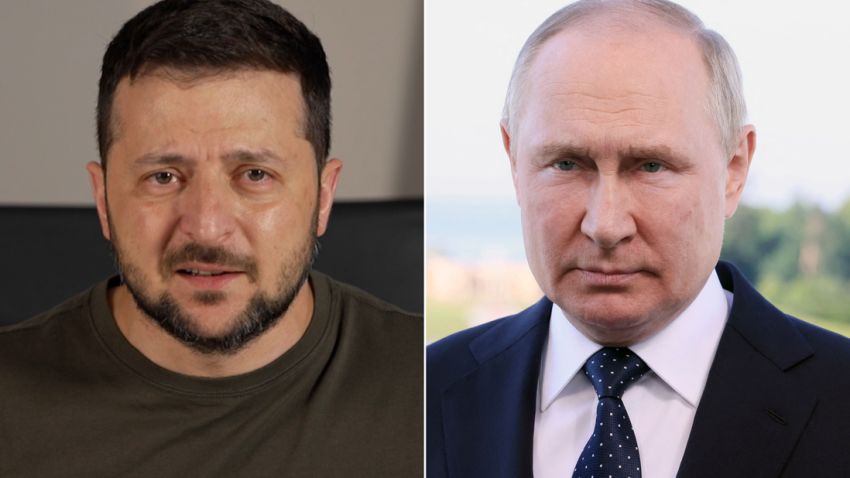
Three-hundred days after his country was invaded by Russia, Ukrainian President Volodymyr Zelensky jetted to Washington, DC, for talks on what the next 300 days might bring.
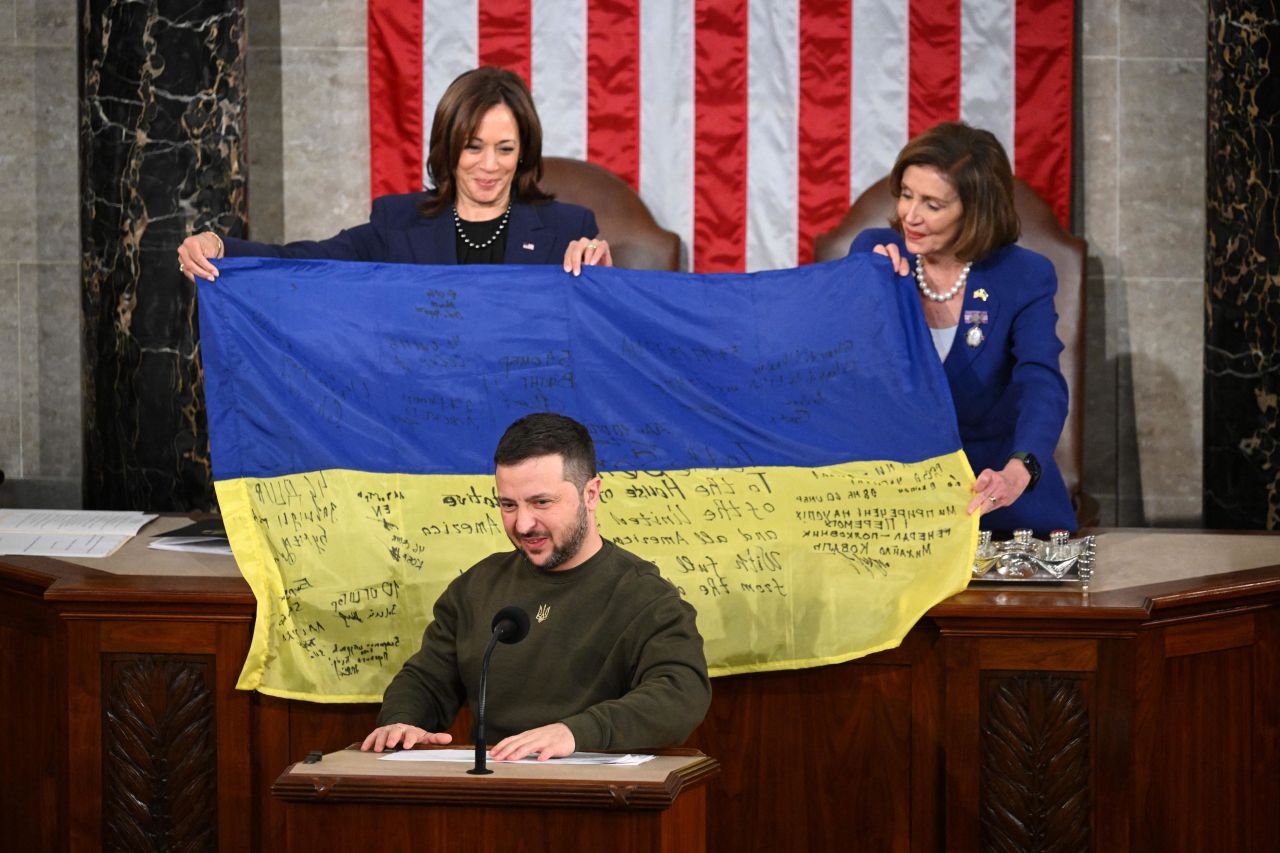
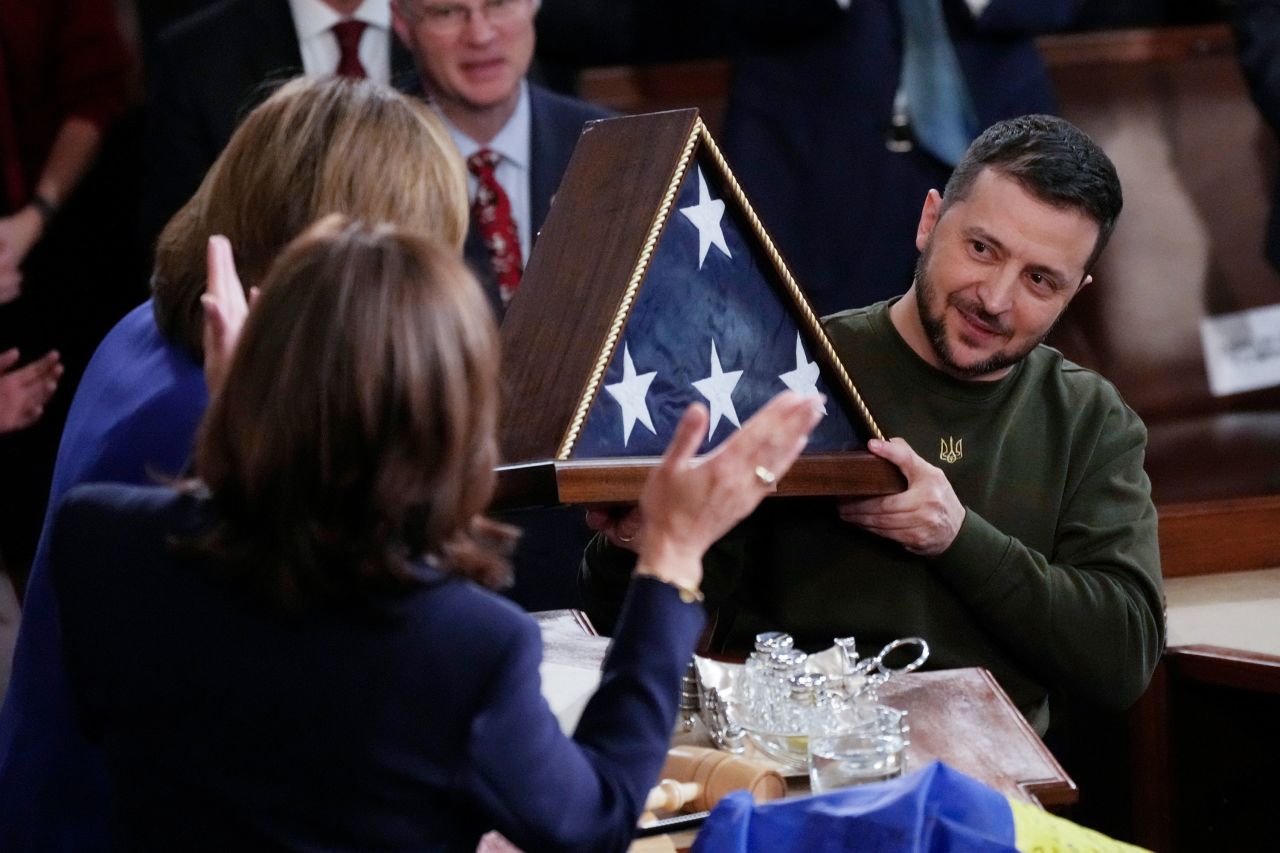
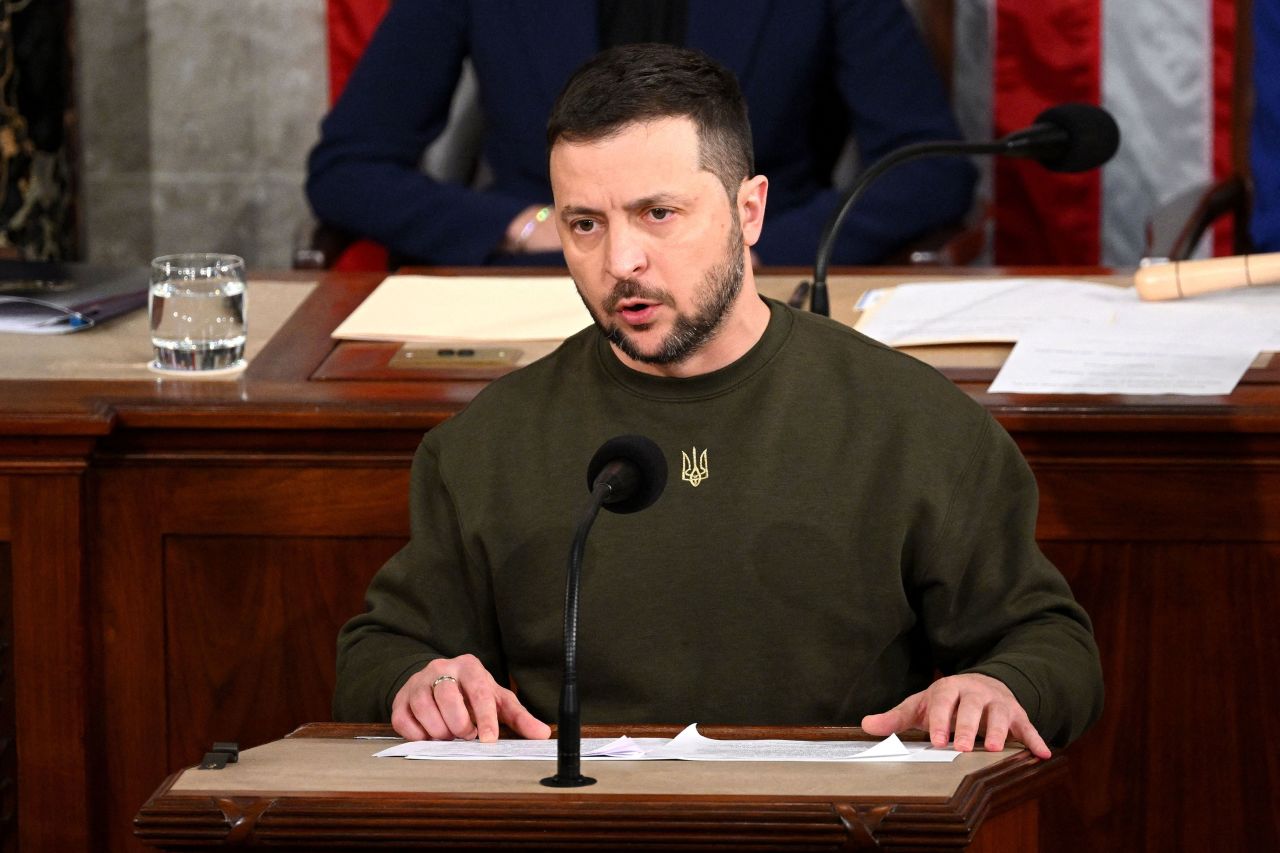
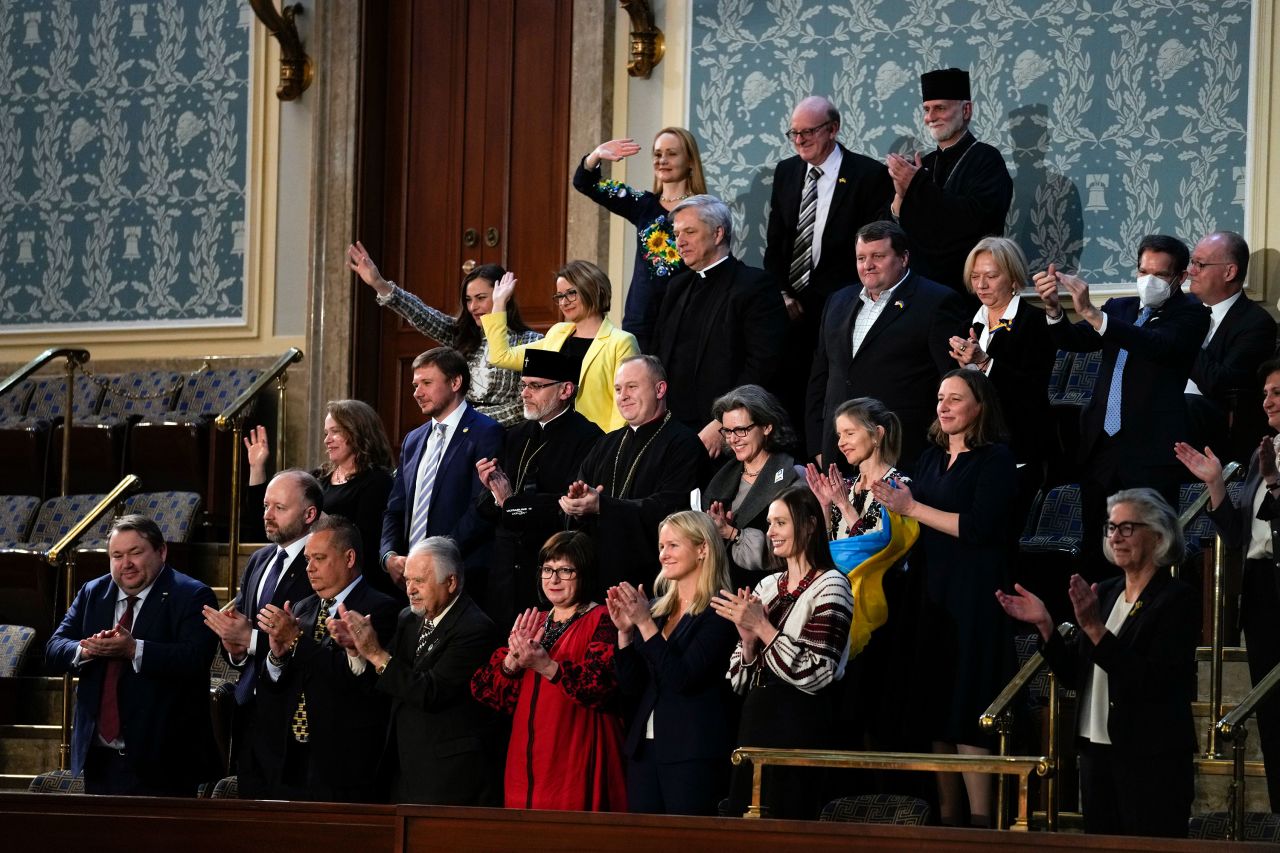
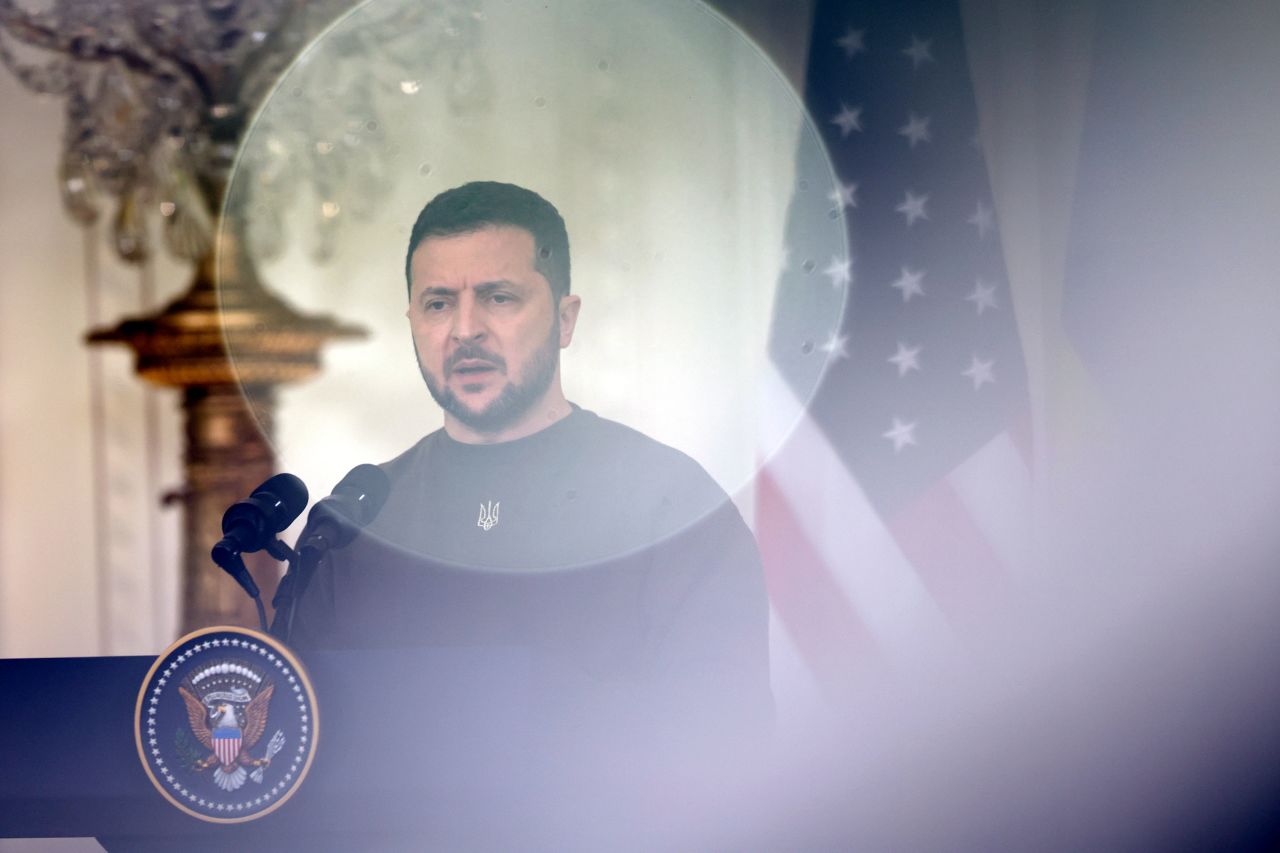
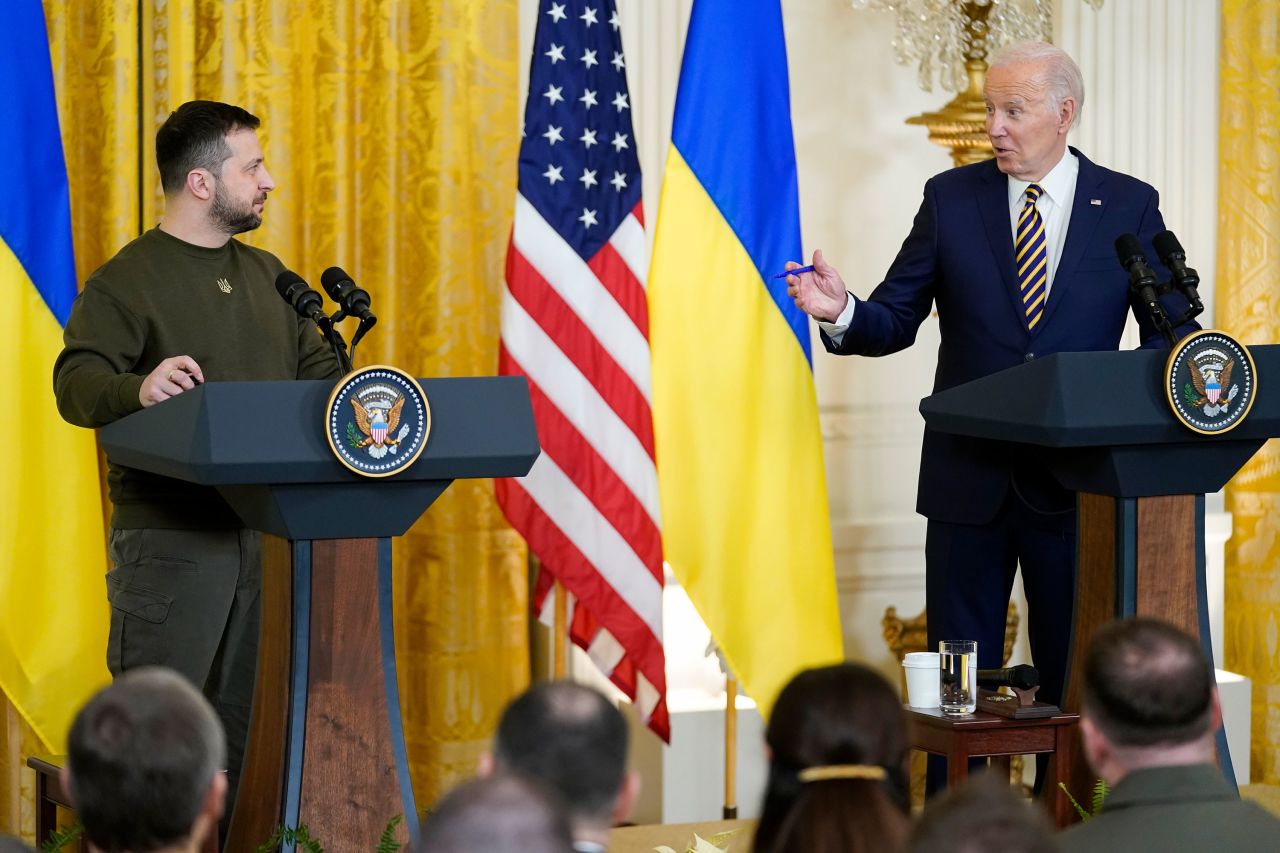
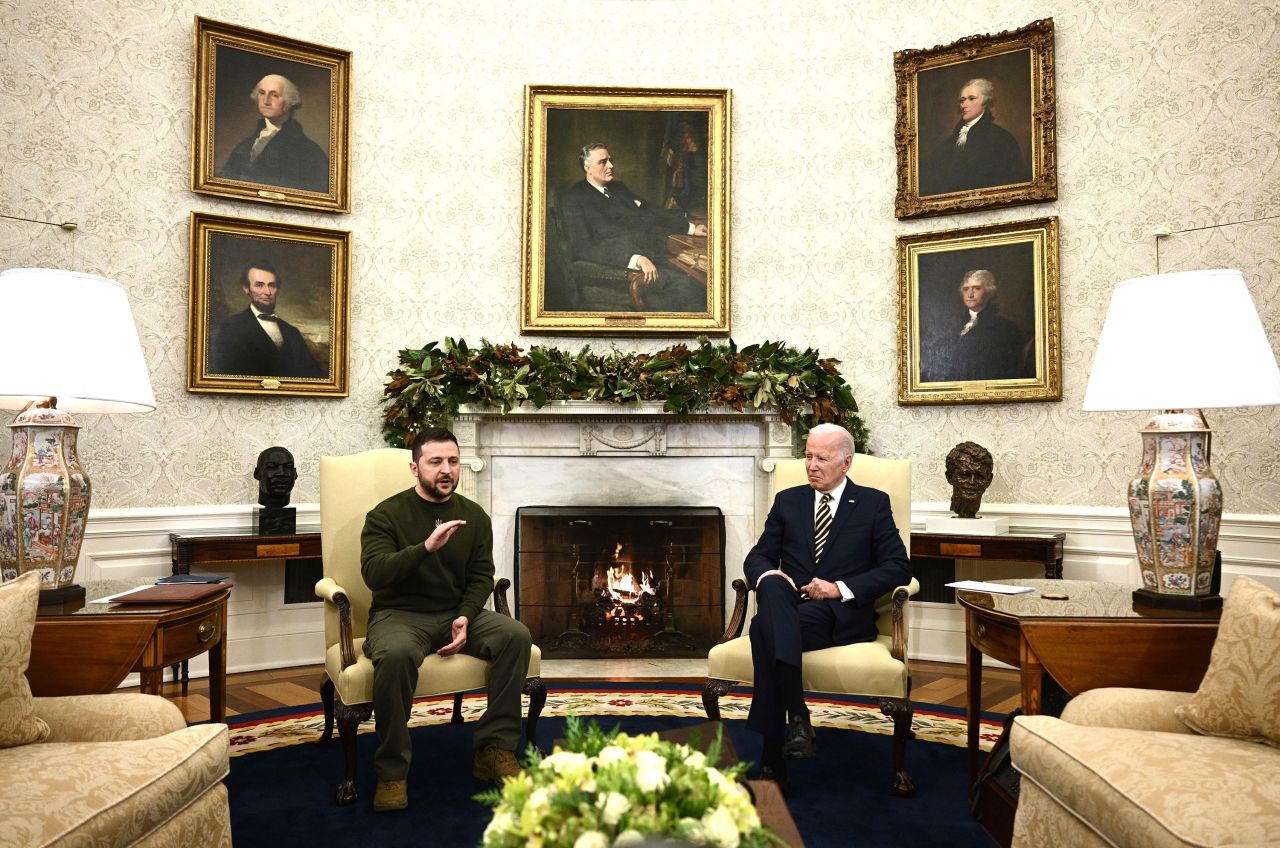
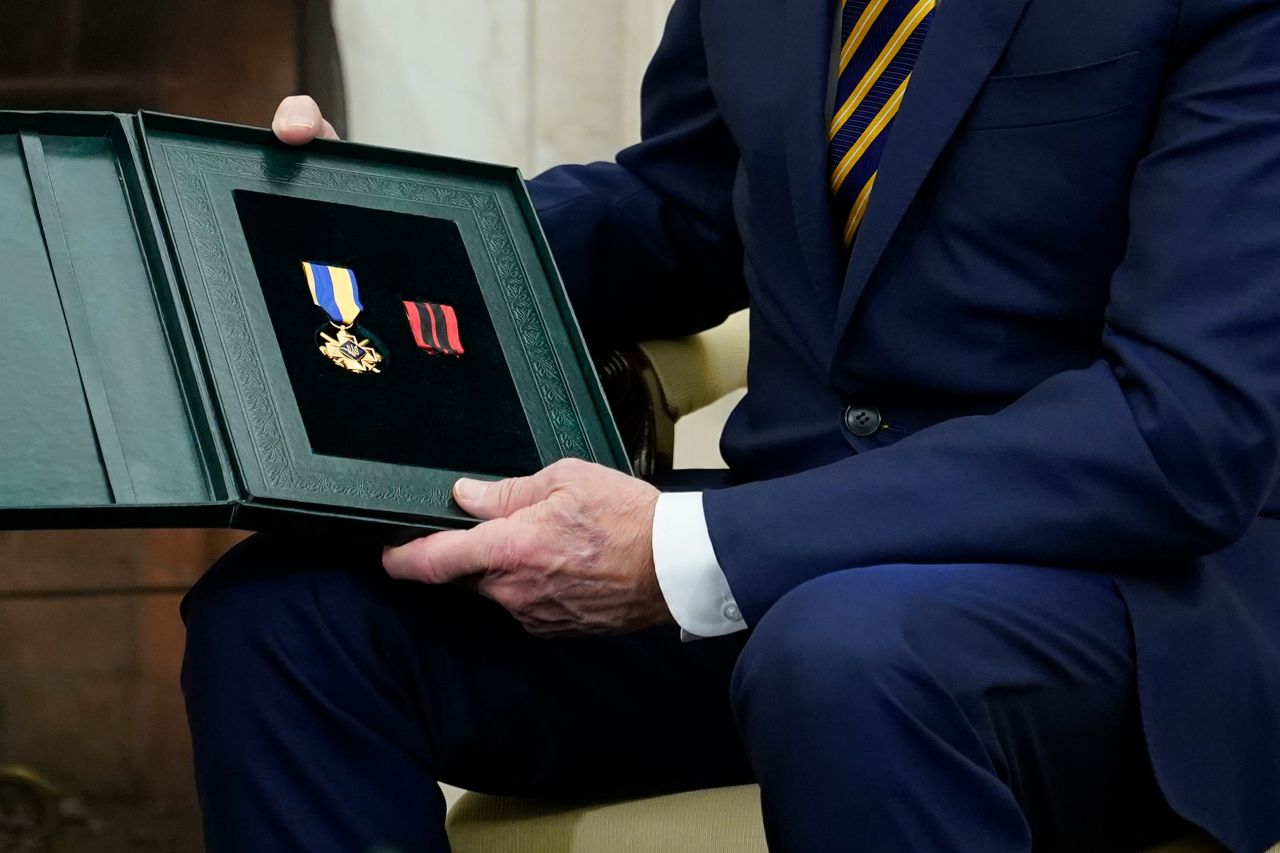
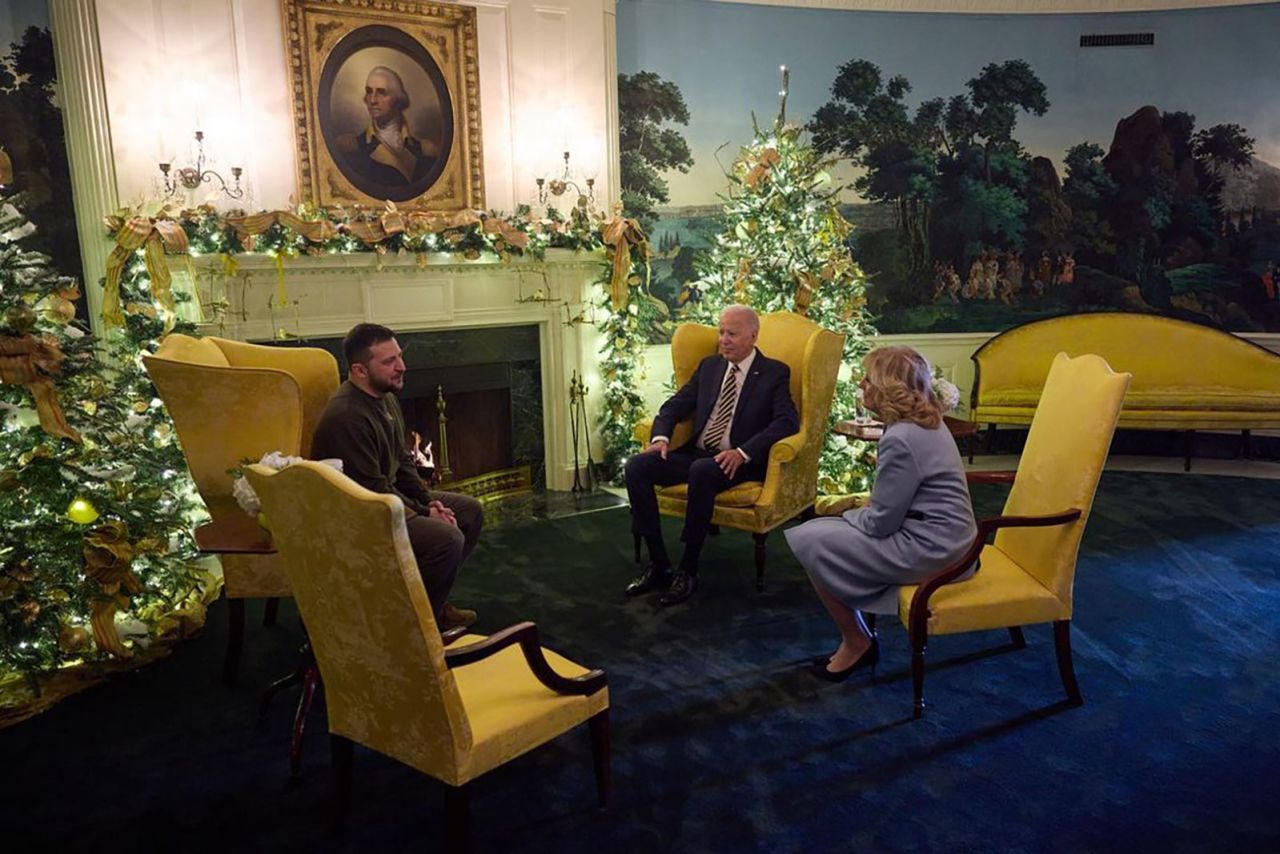
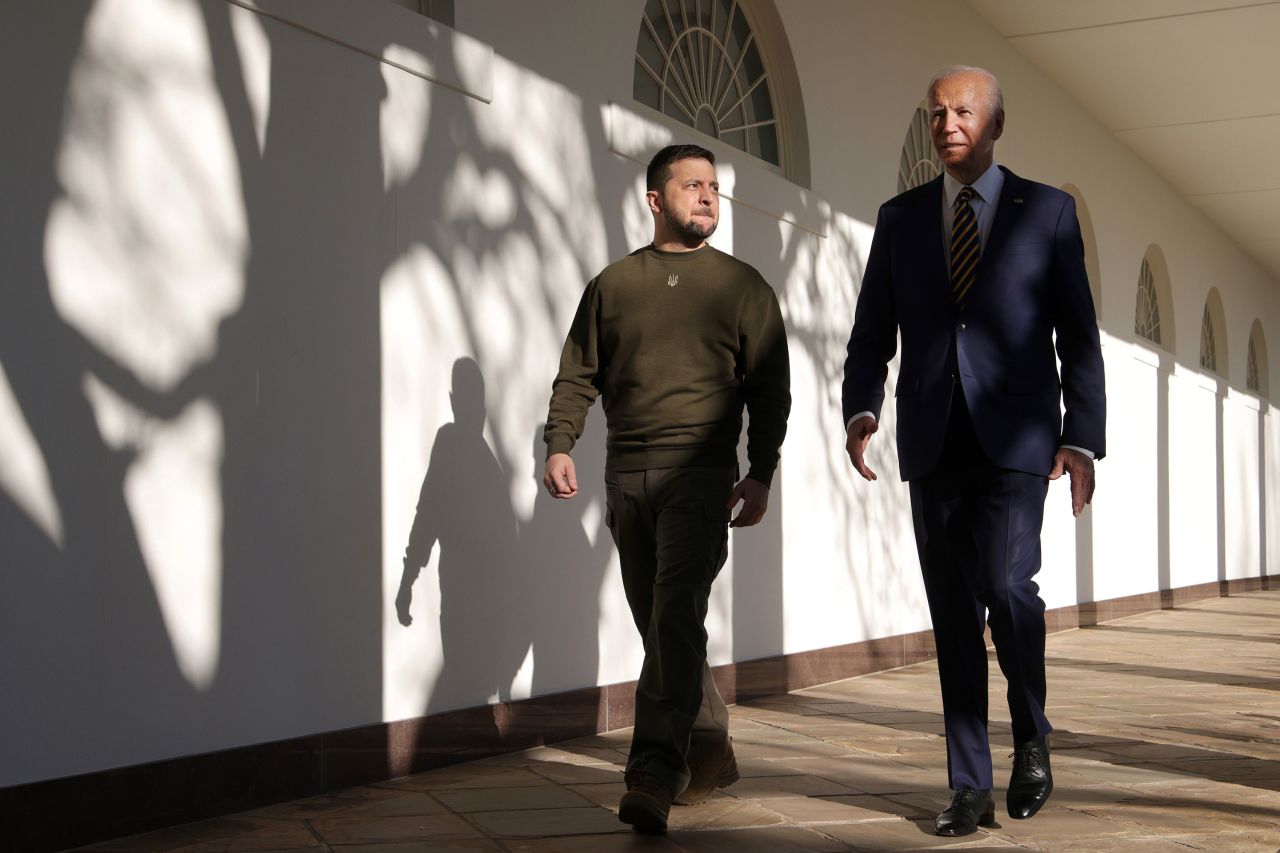
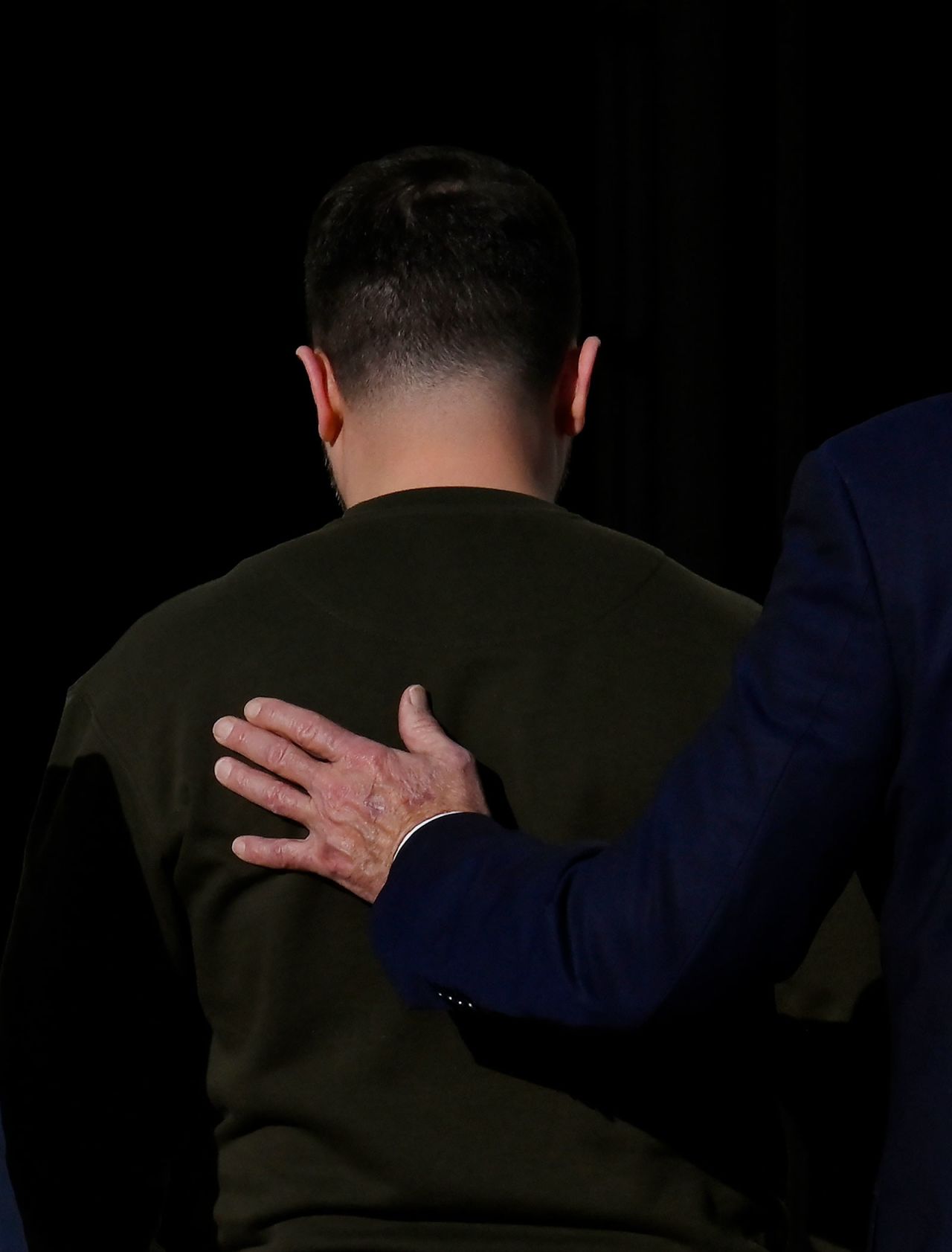
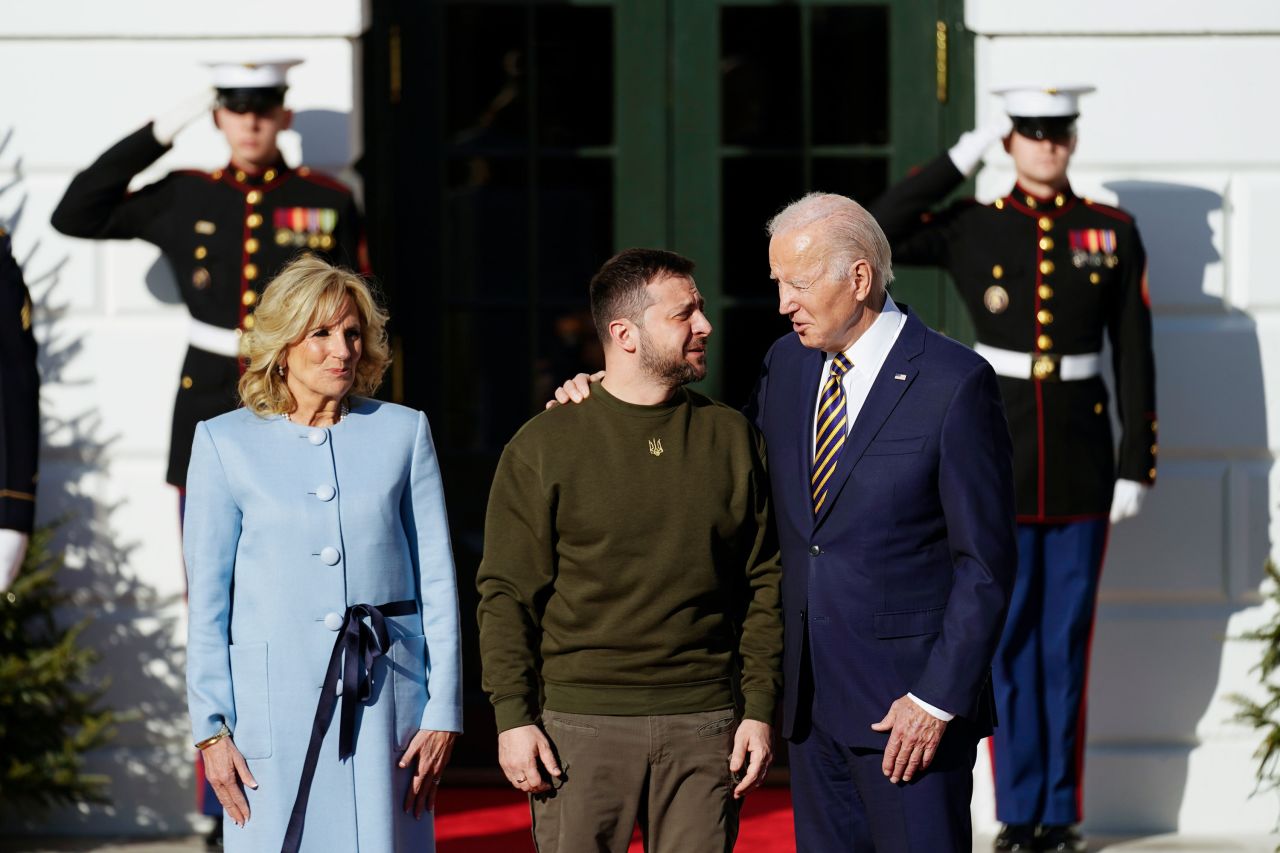
Shrouded in secrecy until the last minute, the historic visit was heavy with symbolism, from Zelensky’s drab green sweatshirt to President Joe Biden’s blue-and-yellow striped tie to the Ukrainian battle flag unfurled on the House floor.
But the trip was about far more than symbols. Biden wouldn’t invite Zelensky to Washington – and endure a risky trip outside Ukraine for the first time since the war began – if he did not believe something real could be accomplished meeting face-to-face instead of over the phone.
Emerging from their talks, both men made clear they see the war entering a new phase. As Russia sends more troops to the frontlines and wages a brutal air campaign against civilian targets, fears of a stalemate are growing.
Yet as Zelensky departed Washington for a lengthy and similarly risky return trip to Ukraine, it wasn’t clear that a pathway to ending the conflict was any clearer.
Gaining clarity on where Zelensky stands when it comes to ending the war was among the prerogatives in bringing him to the White House. The Ukrainian leader had previously expressed a desire for a “just peace” that would end the conflict – a point that US officials said would be at the center of their talks Wednesday.
But on Wednesday, Zelensky used bellicose rhetoric that suggested such a peace was not close, saying the road to ending the war would not involve making concessions to Russia.
“For me as a president, ‘just peace’ is no compromises,” he said, indicating he doesn’t see any road to peace that involves Ukraine giving up territory or sovereignty.
Later, in his address to Congress, Zelensky said he’d presented a 10-point peace formula to Biden – though US officials said afterward it was the same plan he offered to world leaders at the Group of 20 summit last month.
Among the Western nations that have rallied in support behind Zelensky, there have been lingering concerns about what Zelensky’s long-term plan might be.
For his part, Biden said it was up to Zelensky to “decide how he wants to the war to end,” a long-held view that leaves plenty of questions unanswered.

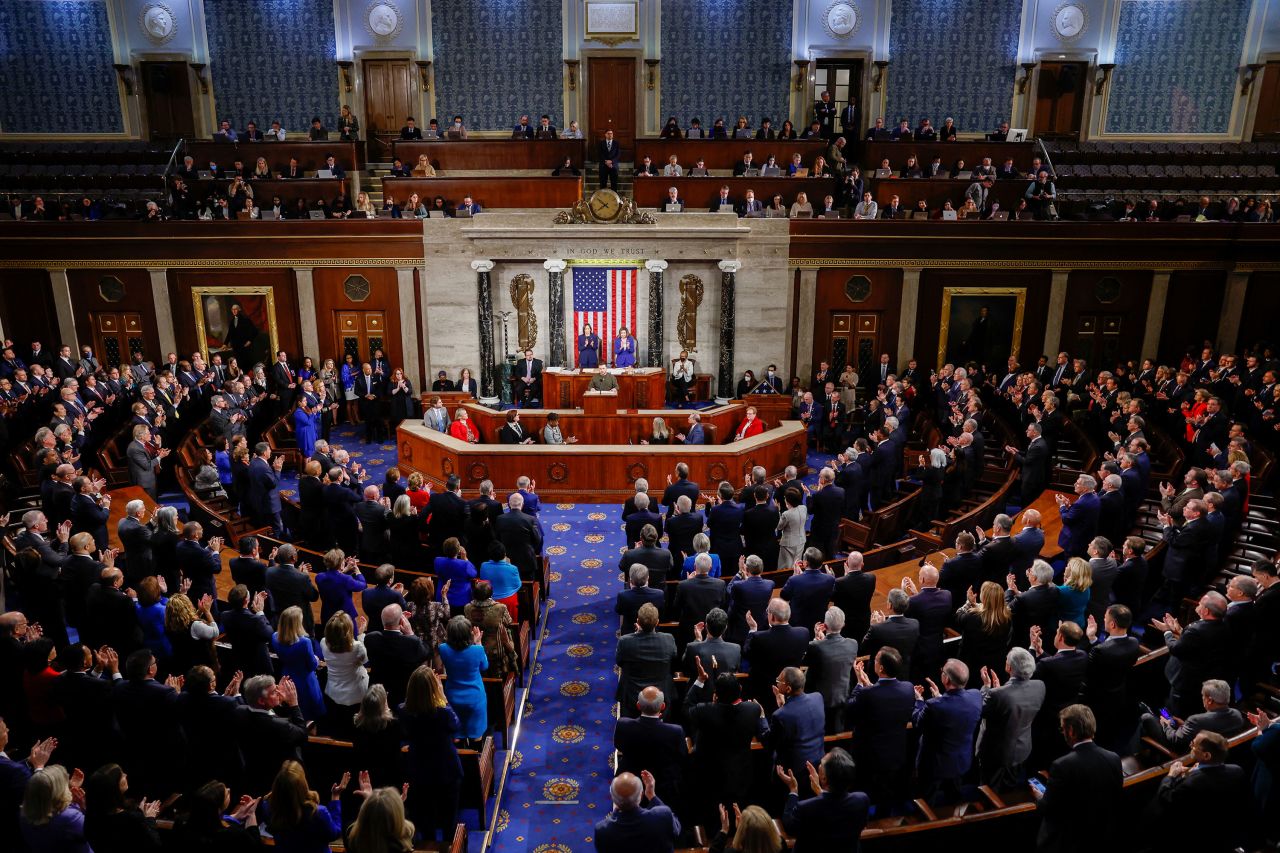
Zelensky peppered his address to lawmakers with references to American history, from the critical Battle of Saratoga during the American Revolutionary War to the Battle of the Bulge in World War II.
He delivered his address in English, a purposeful choice he telegraphed ahead of the speech. Even his attire – the now-familiar Army green shirt, cargo pants and boots – seemed designed to remind his audience they were in the presence of a wartime leader.
Over the course of the conflict, Zelensky has demonstrated an acute ability to appeal to his audience, be they national legislatures or the audience of the Grammys.
On Wednesday, he sought to harness Americans’ emotional response to his country’s suffering, evoking dark winter nights as Russia seeks to interrupt Ukraine’s power supply.
“In two days we will celebrate Christmas. Maybe candlelit. Not because it’s more romantic, no, but because there will not be – there will be no electricity,” he said.
But he also seemed aware that many Americans – including some Republicans in Congress – have wondered aloud why billions of US dollars are needed for a conflict thousands of miles away. He sought to make the cause about more than his own homeland.
“The battle is not only for life, freedom, and security of Ukrainians or any other nation which Russia attempts to conquer,” he said. “The struggle will define in what world our children and grandchildren will live in.”
He added, “Your money is not charity. It’s an investment in the global security and democracy that we handle in the most responsible way.”

At the start of Russia’s war in Ukraine, Zelensky turned down an American offer to evacuate him from Kyiv.
“I need ammunition, not a ride,” Zelensky told the US.
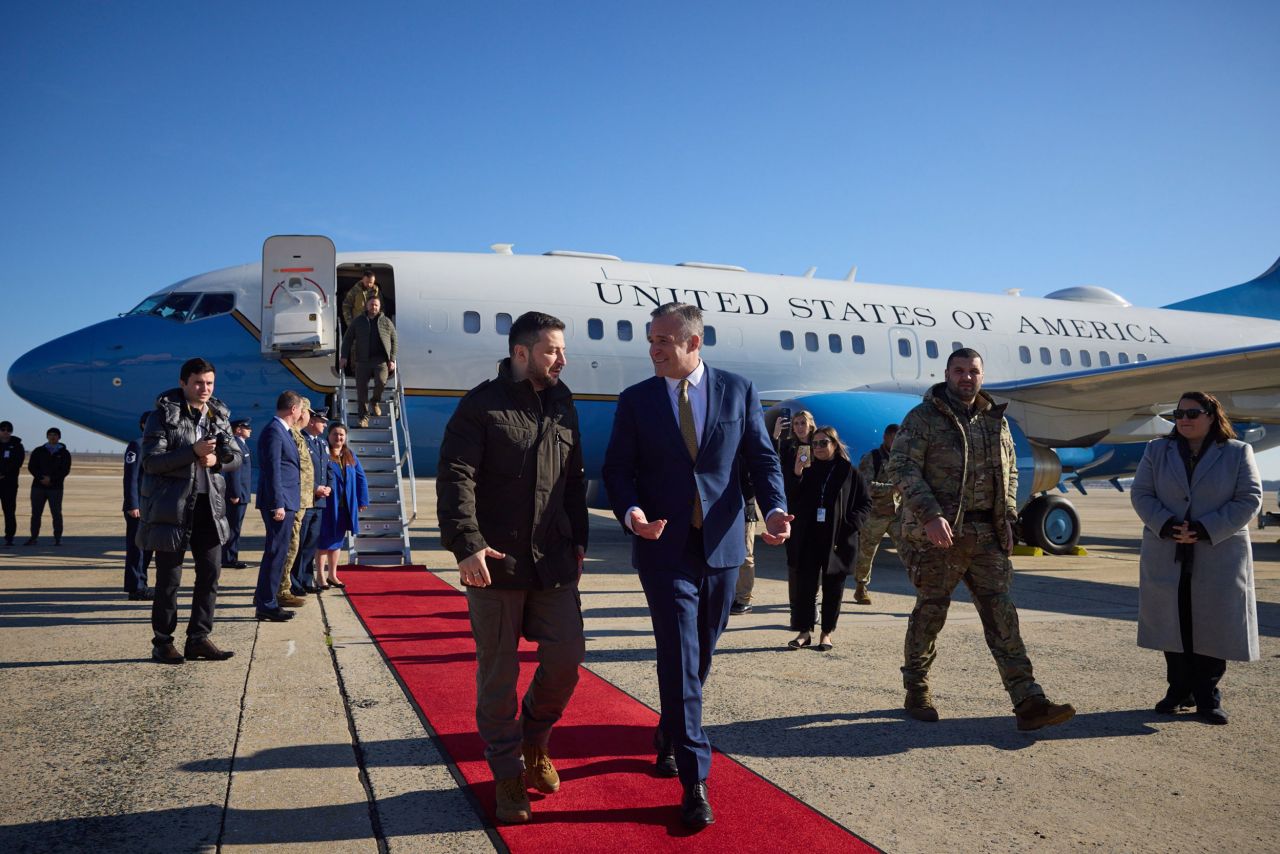
Ten months later, he got both. When Zelensky touched down outside Washington in a US military plane Wednesday, his arrival capped a 10-day sprint by American and Ukrainian officials to arrange a risky wartime visit meant to rally support for Ukraine’s ongoing resistance to Russia’s invasion.
Just ahead of Zelensky’s arrival, the Biden administration announced it is sending nearly $2 billion in additional security assistance to Ukraine – including a sophisticated new Patriot air defense system that Zelensky has been requesting for months.
In weighing a visit, Zelensky suggested to advisers he did not want to travel to Washington had there not been a significant development in the bilateral relationship with the United States, according to a source familiar with the matter. Zelensky viewed the US decision to send a Patriot missile defense system to Ukraine as a major shift in the relationship between the two allies.
Yet standing alongside Biden, he was frank that he did not view the single Patriot system as enough.
“We would like to get more Patriots,” he said as Biden laughed. “I’m sorry but we are in war.”

Speaking later to Congress, Zelensky was again up front that he did not believe the American support was sufficient.
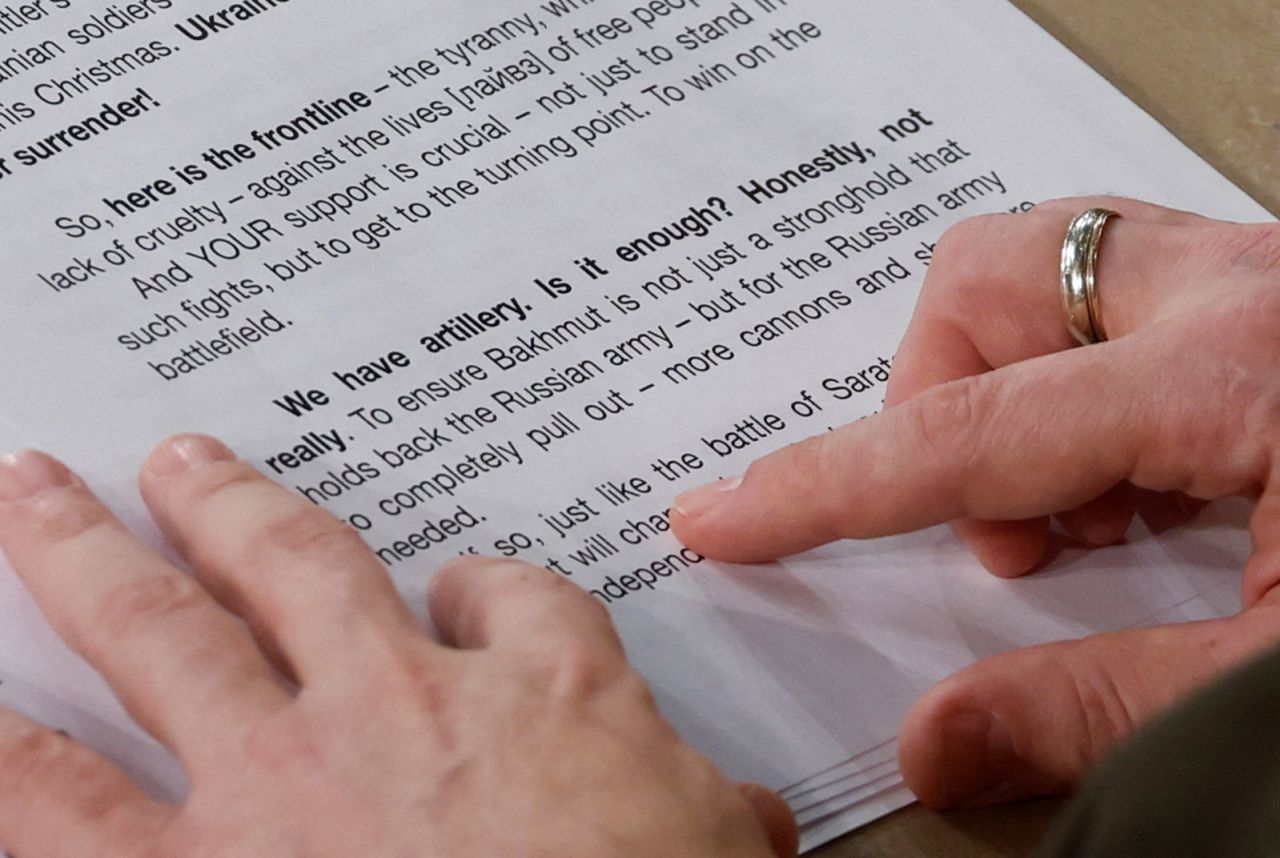
“Is it enough? Honestly, not really,” he said of the artillery that the US has so far provided.
Zelensky’s candid request for more Patriots – and Biden’s lighthearted response – amounted to a window into one of the world’s most complicated relationships.
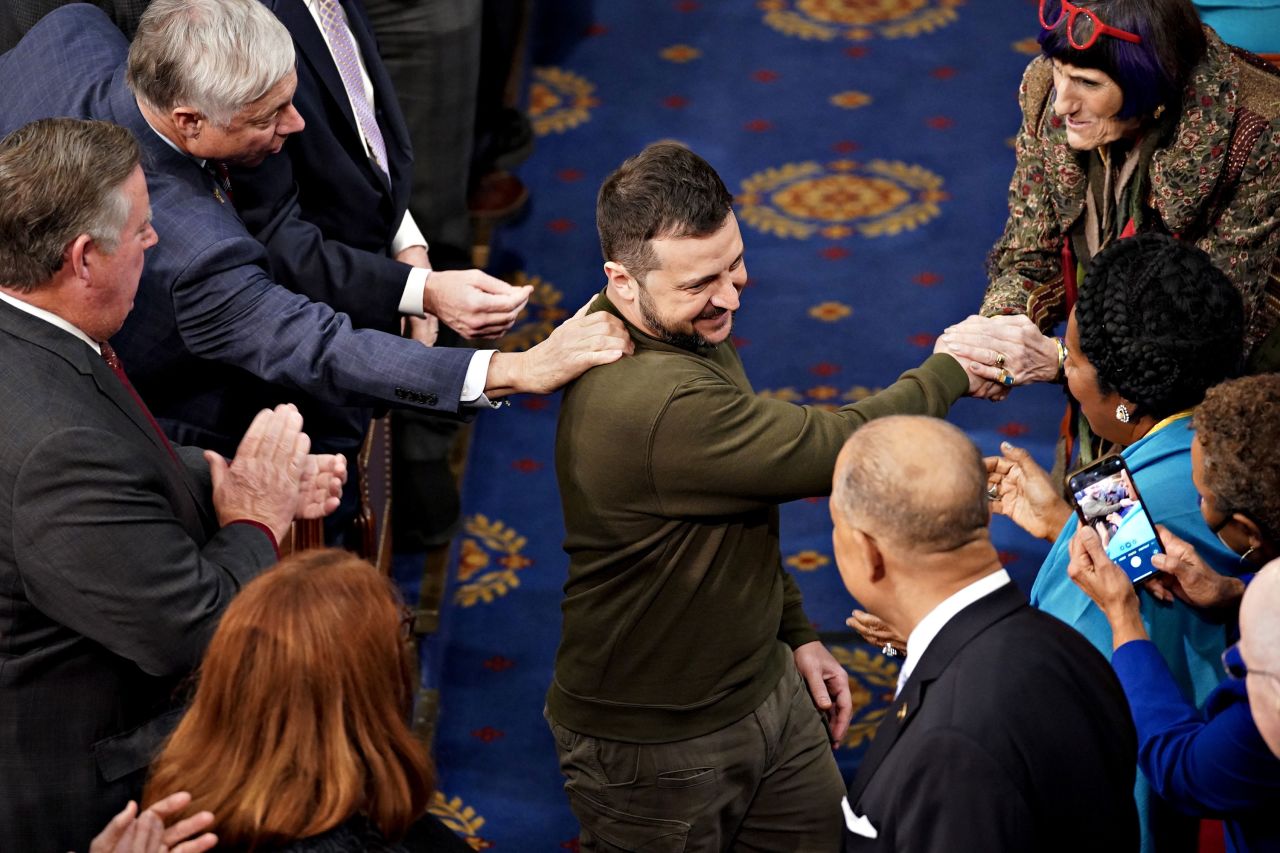
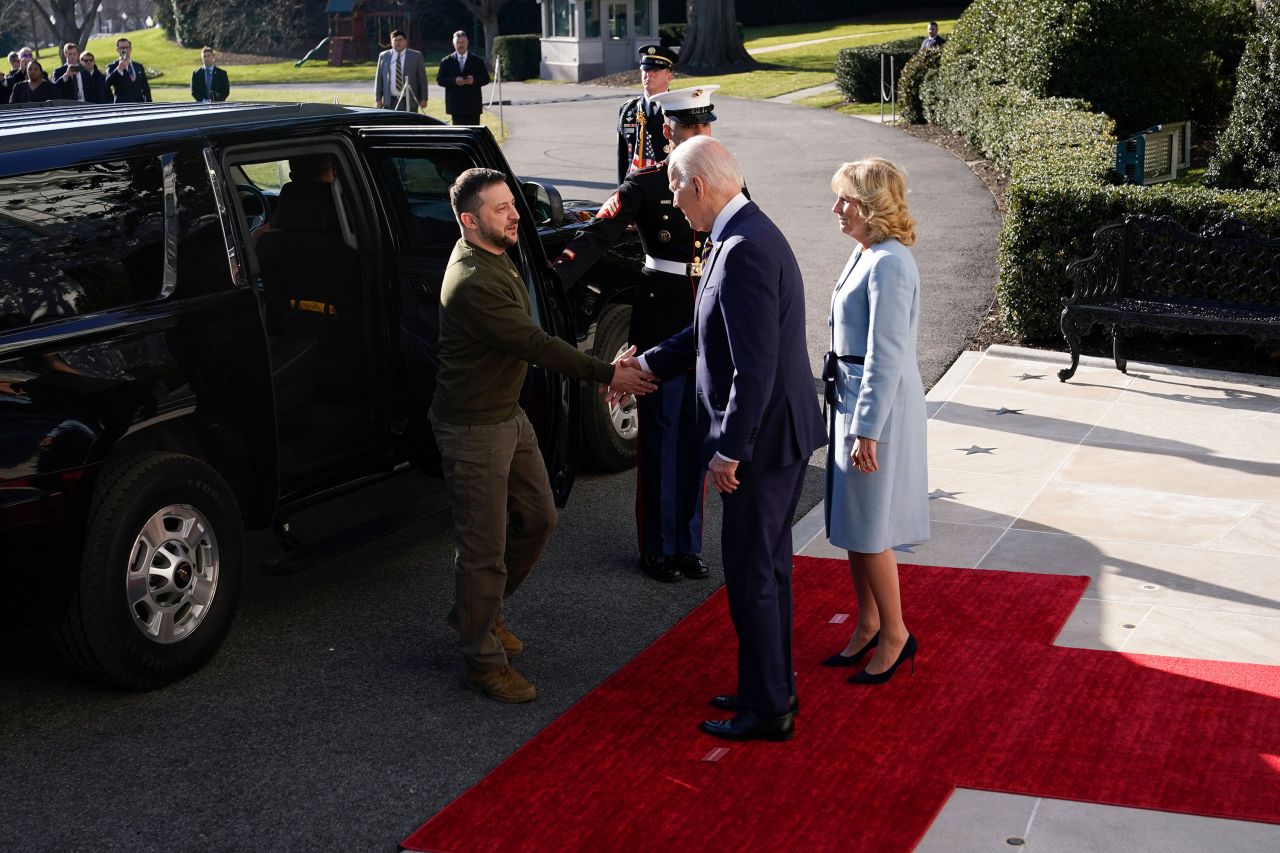
On the surface, Biden and Zelensky have maintained a stalwart partnership. And Zelensky was effusive in his praise of Biden as he went from the Oval Office to the East Room to Capitol Hill.
Yet it doesn’t take much to see tensions just beneath the surface. Zelensky has consistently agitated for additional US support, despite the tens of billions of dollars in military assistance that Biden has directed to his country.
That hasn’t always sat well with Biden or his team. But as he has with a host of other foreign leaders, Biden appeared intent Wednesday on translating physical proximity into a better understanding of his counterpart.
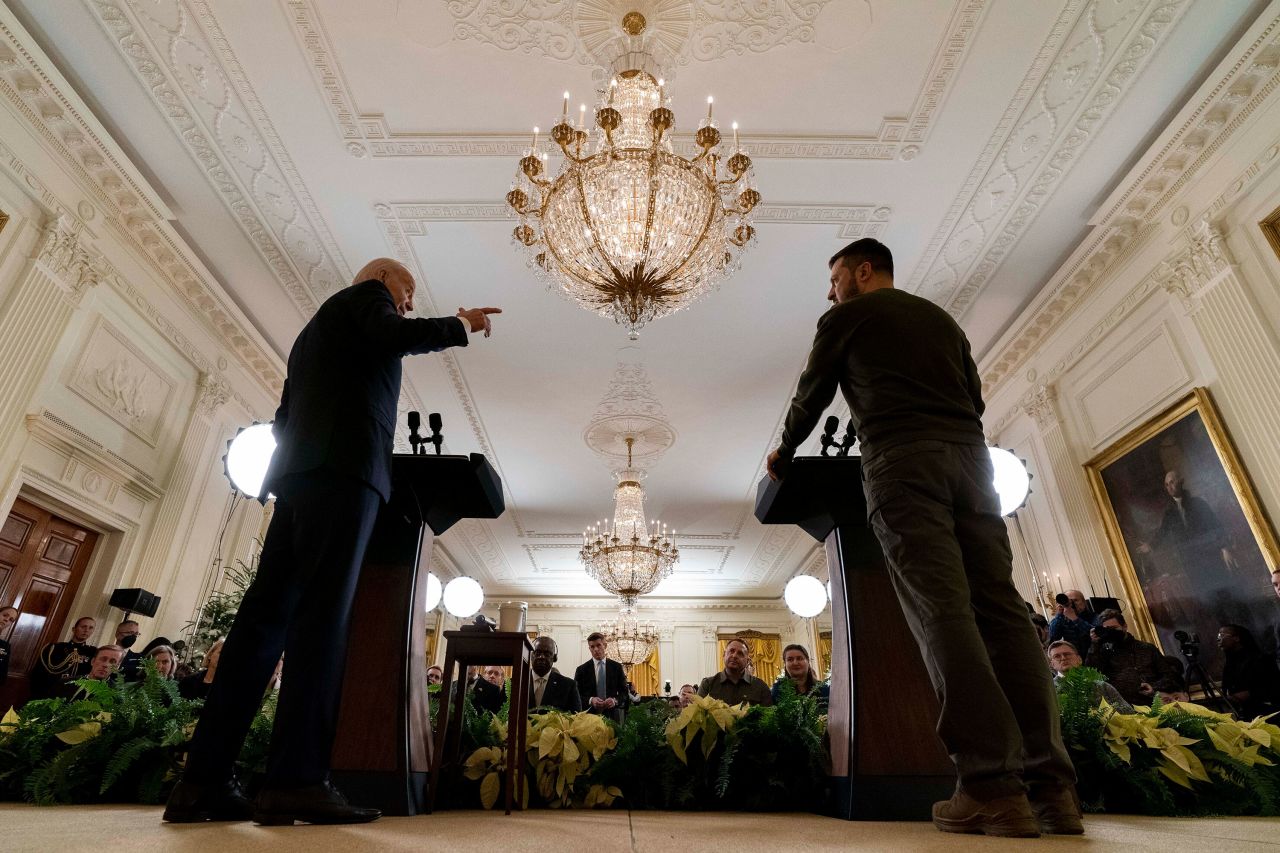
“It is all about looking someone in the eye. I mean it sincerely. I don’t think there is any substitute for sitting down face to face with a friend or a foe and looking them in the eye,” he said.
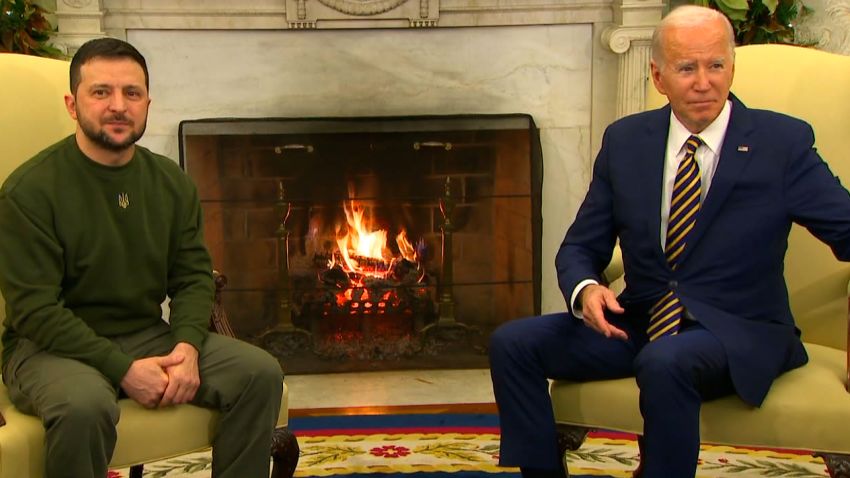
Biden invited Zelensky to Washington this week because he believes the war in Ukraine is entering a “new phase,” officials said ahead of the visit. As winter sets in and Russia continues targeting civilian infrastructure, the moment seemed ripe for Zelensky to make a dramatic public appeal for continued international support.
Yet the new phase isn’t only on the battlefield. Around the world, leaders are confronting the bitter fallout of Russia’s invasion. Higher energy and food prices, in part generated by tough sanctions on Moscow, have caused trouble for politicians in Europe and the United States.
In Washington, Republicans poised to take control of Congress have made clear they won’t rubber stamp each of Biden’s requests for Ukraine assistance – though fears funding will dry up completely appear unfounded. Congress is on the verge of approving almost $50 billion in additional security and economic assistance.
Speaking to lawmakers, Zelensky repeatedly referred to members of “both parties,” seeking to frame his cause as a bipartisan one.
Still, some Republicans refused to attend Zelensky’s address to Congress, a protest of what they claim are unrestrained dollars heading out of the US.
It was against that backdrop Biden insisted US support would continue for months.
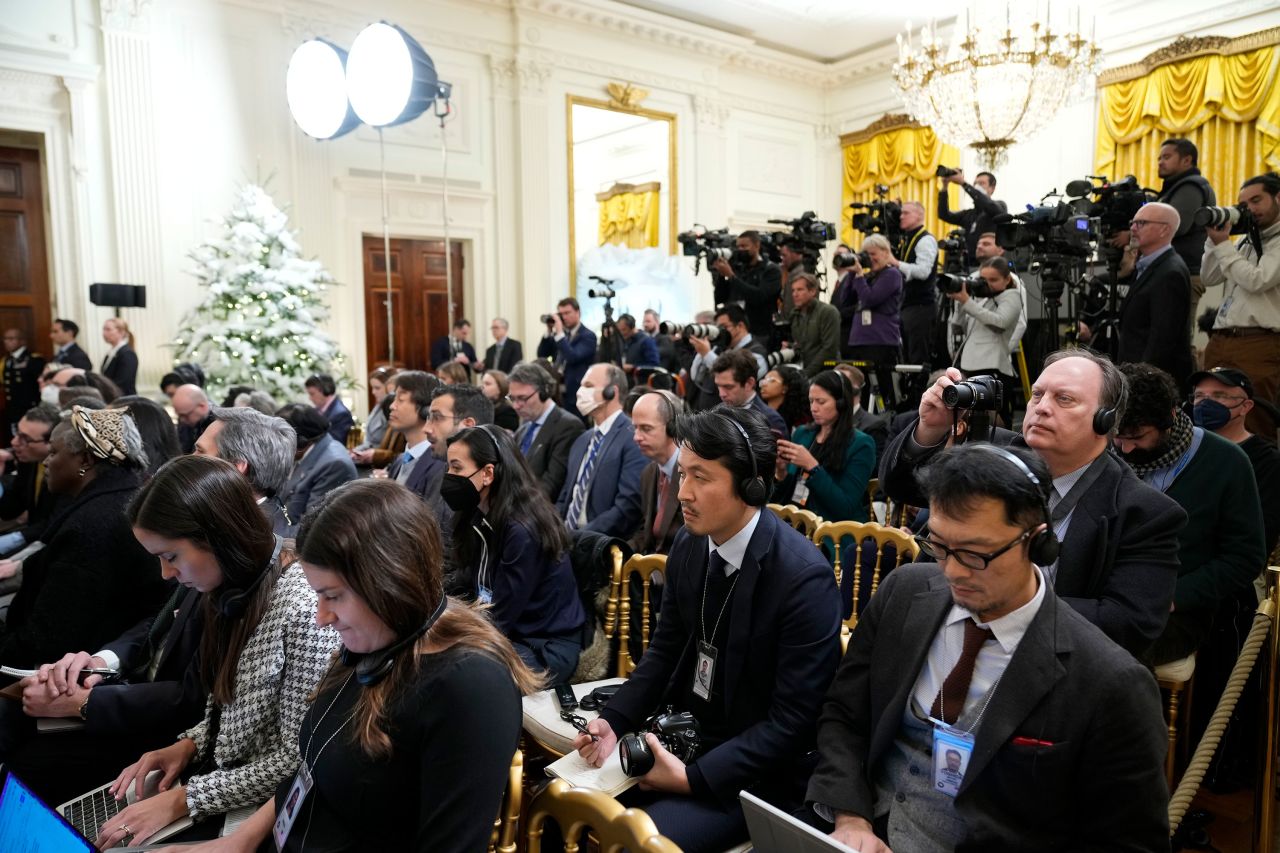
He said it was “important for the American people, and for the world, to hear directly from you, Mr. President, about Ukraine’s fight, and the need to continue to stand together through 2023.”