Recent developments suggest that regime change in Iran remains unlikely, even amidst the ongoing conflict with Israel
.
Factors contributing to regime stability:
- Regime Resilience and Control: Despite significant internal discontent, including protests, the Iranian regime has demonstrated a capacity to maintain control, utilizing overwhelming force and suppressing dissent through security and judicial institutions.
- Hardliner Dominance: The hard-line elements within Iran’s governing bodies, such as the Guardian Council, maintain a strong grip on power, limiting the potential for significant political change. The Guardian Council’s role in vetting candidates for elected positions significantly restricts the political choices available to voters.
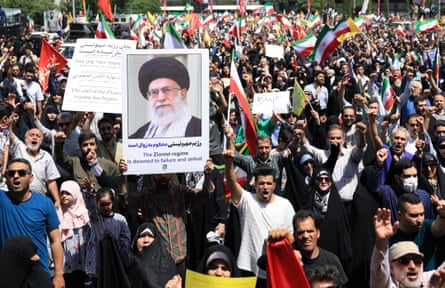
- Impact of the Conflict: The ongoing conflict with Israel appears to have prompted a degree of national solidarity and a “rally-around-the-flag” effect, at least for the present, which may temporarily strengthen the regime’s position.
Challenges facing the regime:
- Deep Public Disillusionment: There is widespread public dissatisfaction with the regime, fueled by economic hardship, mismanagement, and restrictions on civil liberties.
- Weakened Regional Network: The conflict with Israel has exposed vulnerabilities in Iran’s network of proxies and partners, which were crucial to its regional influence.
- Limited Military Options: Iran’s direct military capabilities have shown limitations, as demonstrated by the limited success of its attacks on Israel.
Overall, while the conflict with Israel adds pressure on the Iranian regime, a change of leadership is not immediately anticipated. However, sustained external pressure and continued internal unrest could potentially weaken the regime’s stability over time.