
As the horrific video showing Tyre Nichols being beaten by Memphis police demoralizes and disgusts a nation—five officers were charged with murder, assault, kidnapping, misconduct, and oppression—millions have taken some solace in another clip: a 104-second montage of Nichols skateboarding on ramps and rails, flipping his board in the air with his heels, sun shining in the background throughout.
Nichols, a 29-year-old Black man who died on Jan. 10, three days after he was pulled over for a traffic stop and attacked by police, was an avid skateboarder since childhood years. The highlight reel is a reminder that Nichols found, in skateboarding, a unique mode of personal expression. “A lot of us skateboarders, we’re not watching the video of his murder,” says Kava Vasquez, program manager at the Harold Hunter Foundation, a New York City-based nonprofit that offers skateboarding opportunities to underserved communities. “We’re focused on humanizing him. We’re watching video clips of him skateboarding, and experiencing Black boy joy.”
[time-brightcove not-tgx=”true”]
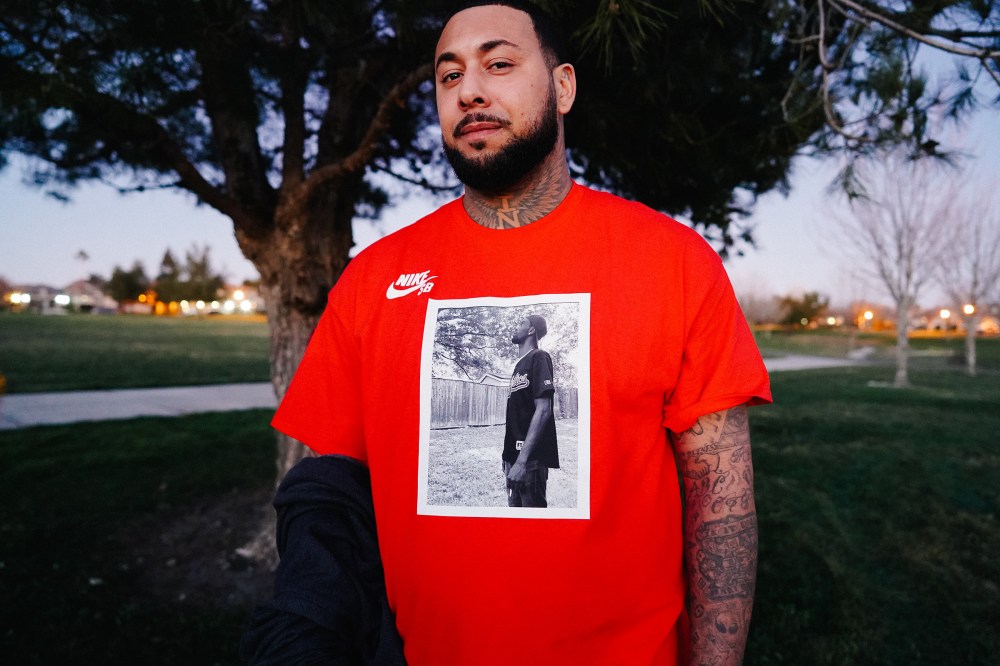
Mark Dillon for TIMEAnderson Williams at the vigil for Nichols at Regency Skate Park. Nichols grew up in Sacramento and started skating as a kid.
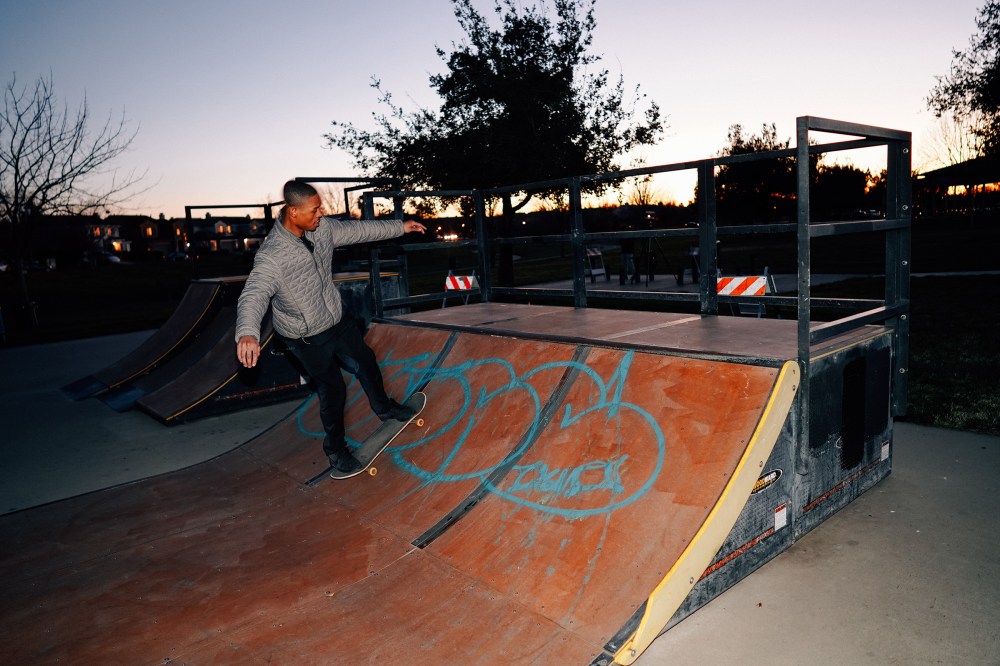
Mark Dillon for TIMEJemetrick Jones skates at the Jan. 30 vigil. He and Nichols skated often together.
Skateboarding shaped Tyre Nichols. The sport provided an athletic outlet, helped him forge friendships, and ignited a passion for filming the exploits of other skaters. At the same time, Nichols’ tragic death is shining a new light on skateboarding, an activity which many people still view as a public nuisance. Skateboarders, in general a tight-knit bunch, have held vigils for Nichols at skate parks in Memphis, Sacramento—Nichols’ hometown—and Portland, Ore. Tony Hawk has donated $1,000 to Nichols’ memorial fund, which now exceeds $1.3 million, and voiced support for the family’s desire to build a memorial skate park in Nichols’ honor.
Skateboarding is less a sport than a lifestyle. At its best moments, it offers a safe space for camaraderie, and welcomes a diverse set of newcomers just crazy enough to try these risky tricks. So Nichols’ death has the skateboarding community—particularly the Black skateboarding community, which has made great strides establishing a presence in a sport with roots in white, Southern California surfer-dude culture—especially hard.
“As a skateboarder, you get chastised by the police all the time,” says Kameron Blakely, 25, who knew Nichols through the Memphis skate scene. “Who’s to say, if I go out and skate, this couldn’t happen to me.” Blakely takes a deep breath. “Skateboarding aside, photography aside, he got robbed of the opportunity that he should be able to grow up on,” says Blakely. “Which is life.”
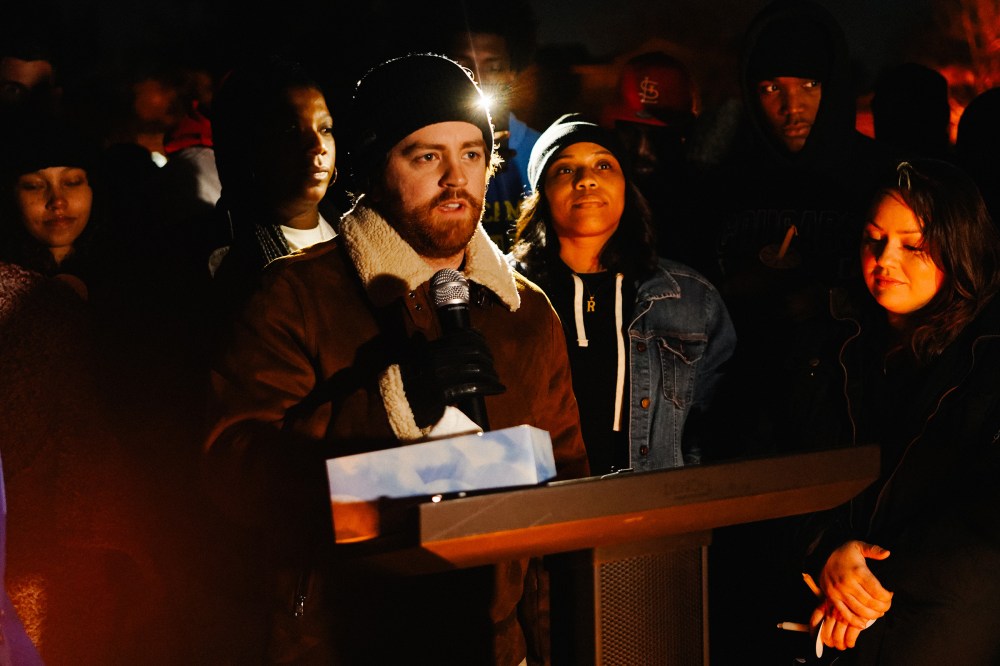
Mark Dillon for TIMERyan Wilson, a friend of Nichols, speaks during the vigil in Sacramento.
Ryan Wilson, 28, first met Nichols at the Regency Skate Park in Sacramento, when Wilson was about 12, and Nichols was in his early teens. “He sort of kept to himself a little bit,” says Wilson. “He was a little shy at first. You could tell he was sort of waiting to come out of his shell because, through the years, he became the goofiest, funniest guy I ever met. He would have his headphones in, always playing his music so freaking loud.” After a while, Nichols and Wilson began to strike up conversations, and they became close friends.
After Nichols and Wilson began to find their footing on skateboards, they branched out, heading to different parks and spots around Sacramento, meeting more people around town. “Once you build confidence, you really find yourself and your personality and things that make you unique,” says Wilson. “You feel more comfortable around other people. Once Tyre hit that phase, where he was happy with what he was doing, he became very, very social.”
Wilson noted that Nichols did have occasional mood swings. He’d get down on himself at times. “But the thing that always stood out about Tyre was when it came to family and friends, he was always trying to put a smile on everyone’s face,” says Wilson. “He was like, I don’t care if I can’t be happy all the time, as long as I can make other people happy all the time. He did a good job of that.”
A fellow Sacramento skater, Jerome Neal, recalls Nichols pulling off his favorite trick, the “heel flip,” in which a skater flicks the board with a heel, flipping it in the air before landing back on the deck. “He had a mean heel flip,” says Neal, 31. “He could do it on command, any time of the day. His style was so unique. Just relaxed and laid back. The man had it going on, bro.”
In Sacramento, he stood out. “Skaters have this worldwide bond of allowance and tolerance to other skaters,” says Neal. “Always help each other. It’s a little cult. Tyre was definitely molded by that cult, down to the music he listened to, the videos we used to make, his clothes. Everything. Tyre was a full skater, through and through.”
While Nichols established himself in Sacramento, he was newer to the skate scene in Memphis, where he’s lived since 2020. But according to Blakely, he passed the “vibe check” that made him welcome in the Black skate community there.
Memphis is home to the NBA’s Grizzlies and a college basketball team, the Memphis Tigers, that expects to compete nationally every year. The city is located in the Southeast—a college-football hotbed. So it’s a basketball and football town. Black kids who take up skateboarding sometimes receive funny looks from classmates and neighbors, for taking up what can still be perceived as a white pastime. “I was wearing either the skinny jeans or the fat cargo shorts,” says Blakely, who started skateboarding in middle school. “They’re like dude, what are you doing? You look terrible.” But Blakely fell in with a crowd of about eight or so Black skateboarders his age, and as he got older, he’s witnessed the Memphis skate scene growing more diverse.
Which makes Nichols’ death all the more painful. While some Black skateboarders have refused to watch the video of Nichols’ beating, Courtlan Black, 18, did view the violent tape. “I feel hopeless, in a sense,” says Black, a high school senior. “Truthfully, I don’t think things will ever get to the point where we can all say that they’re OK. Over the years, of me being a kid and seeing time and time again Black people on the news being killed by police officers through various means, it makes me lose a lot of hope in society. It makes me want to be by myself.”
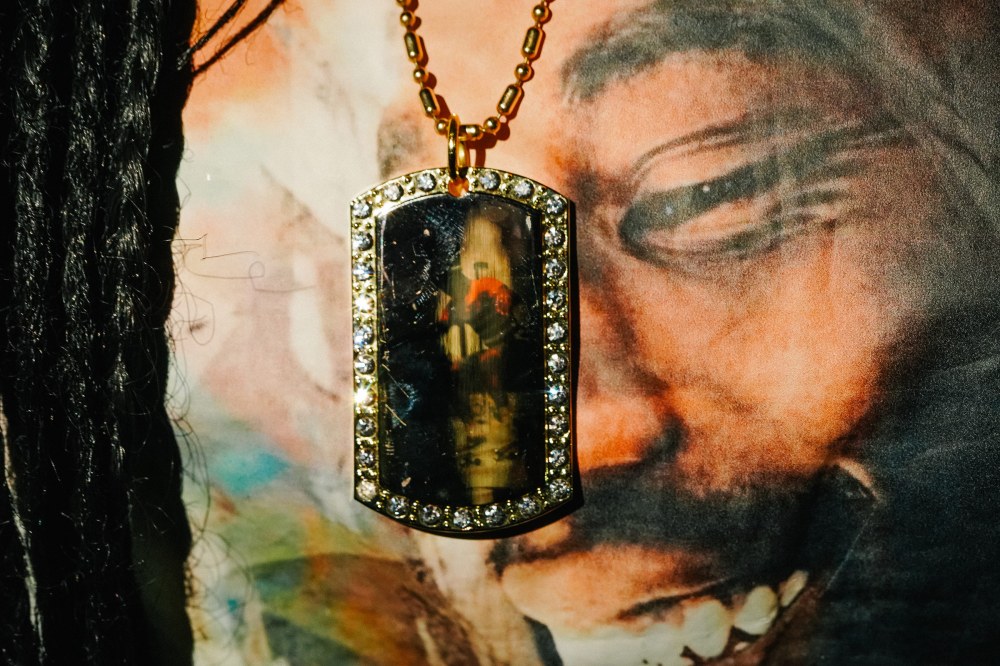
Mark Dillon for TIMENichols’ sister, Kenyana Dixon, pays tribute to her brother at the vigil, wearing his image on her shirt and pendant.
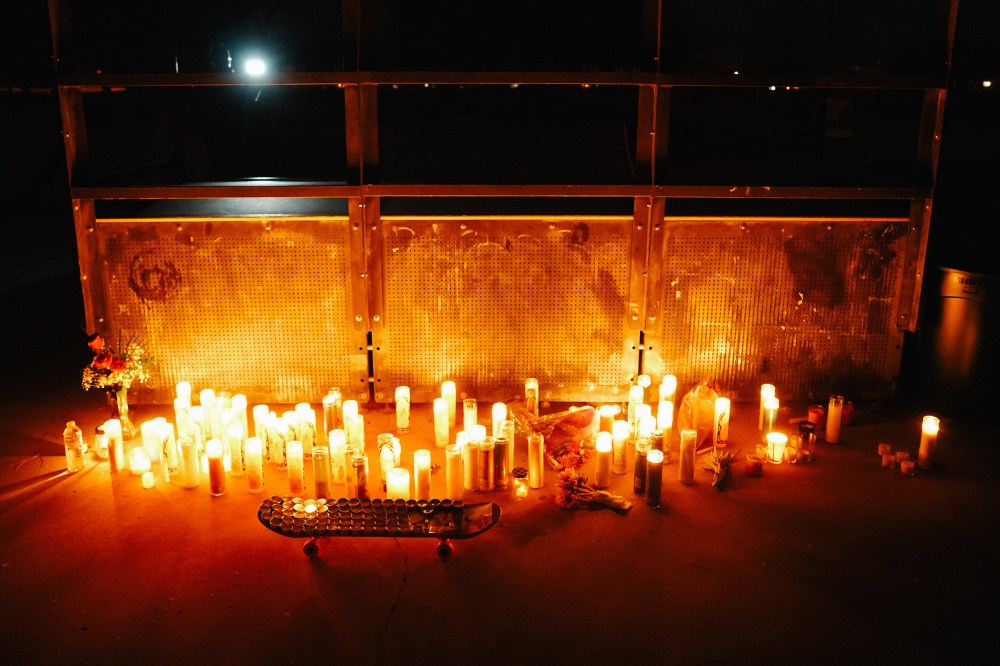
Mark Dillon for TIMECandles are lit in Nichols’ honor at the vigil in Sacramento.
Several skaters noted that the five Black officers in the Nichols case were quickly fired and charged, even as white police officers who perpetrate violence against Black people have not always faced such swift consequences. But they see this decisive action as evidence that calls for accountability, emanating from movements like Black Lives Matter, are slowly being heeded—and hope that the race of the officers isn’t used as an argument that racism isn’t an ongoing presence in law enforcement.
Black attended a candlelight vigil for Nichols last week at Tobey Skate Park in Memphis. His mother, RowVaughn Wells, sat at a table. A sign in front of her read, This Must Stop. “The whole skate community is feeling this,” Black says. “Everyone is pretty much on the same page with this. Everyone is standing together. I just want that to be known.”