
Was the FBI biased against Donald Trump in 2016? Trump and his supporters think so, and now they have fresh evidence: a 500-page report on the Hillary Clinton email investigation, prepared by the Justice Department’s inspector general. The report includes text messages in which two then–FBI officials, Peter Strzok and Lisa Page, spoke of “stopping” Trump. On the other hand, the report concluded: “We found no evidence that the conclusions by Department prosecutors were affected by bias or other improper considerations.”
My reading of the report is more complicated. FBI bias did affect the election, and the bias was, in a sense, pro-Clinton. But the bias didn’t help Clinton. It destroyed her.
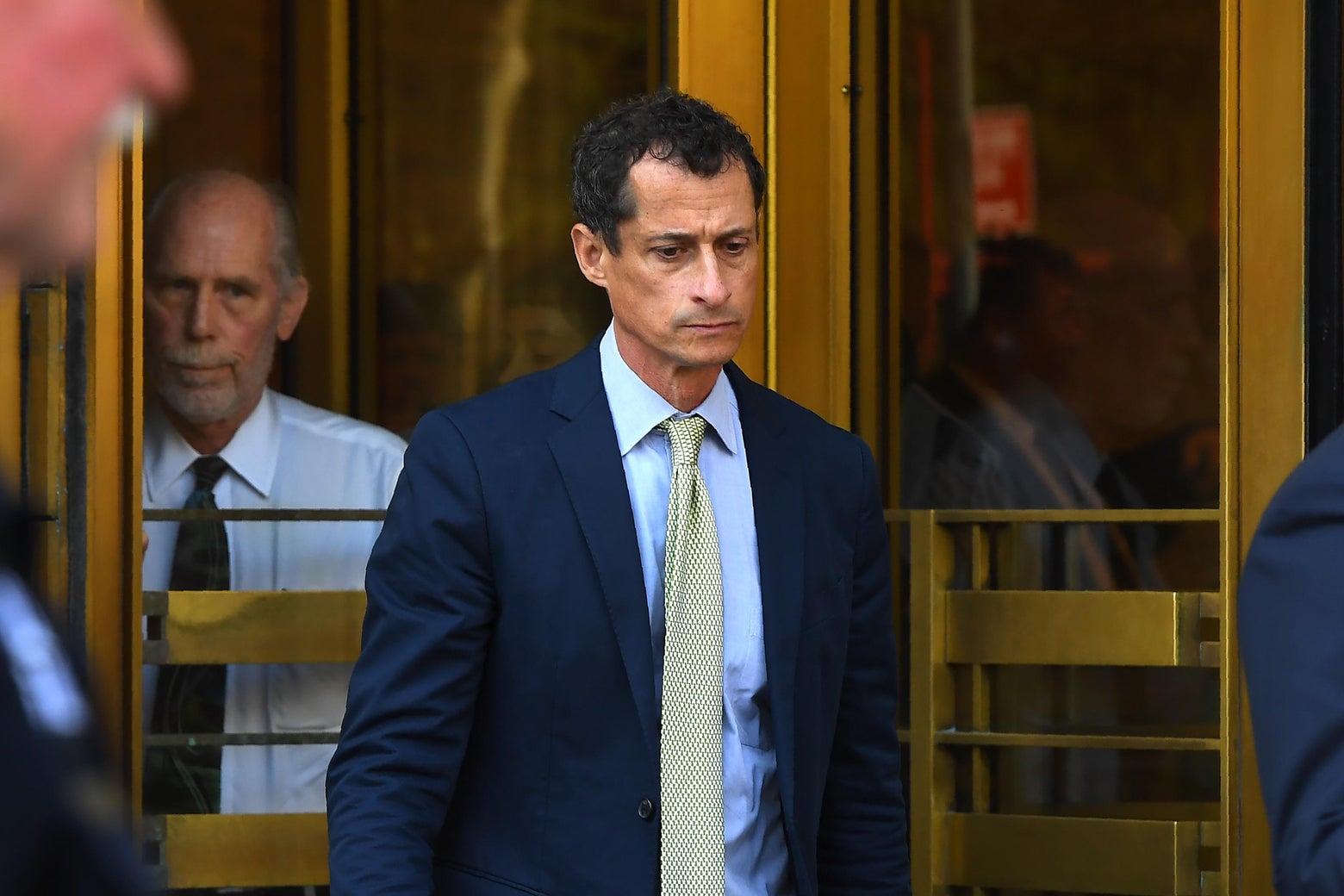
On Sept. 26, 2016, as part of a sex crimes investigation, an FBI agent in New York found hundreds of thousands of emails on a laptop belonging to former Rep. Anthony Weiner, who was married at the time to Huma Abedin, a top Clinton aide. Two days later, the head of the New York FBI office told dozens of FBI executives, including Deputy Director Andrew McCabe, that the laptop had 140,000 emails possibly relevant to the Clinton investigation. The next day, on Sept. 29, the New York office told several members of the FBI’s Clinton investigation team that the emails included BlackBerry messages. That was a red flag, because although the FBI had closed the Clinton investigation in July 2016, it had never found old messages from her BlackBerry account, which theoretically, was the most likely place to contain evidence of criminal intent.
The laptop was on a list of topics discussed by McCabe and other FBI officials on Oct. 3 and 4. And then … nothing happened. “After October 4, we found no evidence that anyone associated with the [Clinton] investigation, including the entire leadership team at FBI Headquarters, took any action on the Weiner laptop issue until the week of October 24,” says the report. Headquarters followed up only after being prompted on Oct. 21 by the New York office. Not until Oct. 27 did FBI officials brief FBI Director James Comey about the laptop.
By then, the bureau’s technical experts thought there was too little time before the election to go through the emails and determine whether any were incriminating. So Comey sent a letter to Congress disclosing what he could: that “the FBI has learned of the existence of emails that appear to be pertinent to the investigation.” Clinton sank in the polls. More than a week later, just two days before the election, the FBI announced that it had searched the emails enough to know that they wouldn’t change its decision not to recommend her prosecution. But the damage was done. She lost.
That three-week delay arguably cost Clinton the election. In interviews with the IG’s investigators, Comey says that if he had known about the laptop’s contents at the beginning of October, he might have kept his mouth shut and waited for FBI analysts to determine whether any of the emails were incriminating. But the report finds no evidence that the three-week delay was a conspiracy to hurt Clinton. It was a product of neglect. (Full disclosure: My wife works for the general counsel to the IG. She played no role in the investigation.)
In the report, four insiders try to explain the delay: McCabe, Strzok, Page, and FBI Assistant Director Bill Priestap. They’re full of excuses, blame, and indifference. The laptop search “was not viewed as a mission-critical activity,” Priestap tells the IG investigators. There was “no particular urgency,” adds Page. It wasn’t “a ticking terrorist bomb,” says Strzok. His view, he recalls in the report, was that “it goes in the queue.”
These officials were content to wait until after the election. “My team was prepared to pursue this matter in the normal course, recognizing that it might not be completed until after the presidential election,” says Priestap. Strzok figured the laptop might yield information that the bureau would “have to review, you know, January, February 2017, whenever it gets done.”
Priestap had closed the case, known internally as Midyear, and wasn’t interested in revisiting it. “My focus wasn’t on Midyear anymore,” he tells the IG investigators. “Yes, we’ve got to review it. Yes, it may contain evidence we didn’t know.” But “I felt confident that we had gotten to the bottom” of the case, he concludes. “It was water under the bridge.” In a written statement, Priestap adds: “I sincerely doubted that the emails identified on [the Weiner] laptop were likely to alter our informed view of the matter, and therefore did not prioritize the follow-on work over higher priority matters.”
The higher-priority matter was Russia. By October 2016, says Page, she and others who had worked on the Clinton case were “super-focused” on the nascent Russia investigation. That was a time-sensitive question, Strzok explains: “Is the government of Russia trying to get somebody elected here in the United States?” Next to that, the Weiner laptop was just “another thing to worry about.”
Strzok, Page, and Priestap weren’t wrong. The emails on Weiner’s laptop proved to be irrelevant, and the Russia investigation turned out to be gravely incriminating. But by discounting the laptop instead of pressing for follow-up, they put Comey in a bind that resulted in his Oct. 28 letter—which Strzok, perversely, was enlisted to help draft. Months earlier, he had assured Page that Trump couldn’t actually win. “[Trump’s] not ever going to become president, right?” Page asked Strzok in a text message on Aug. 8, 2016. “No he won’t,” Strzok replied. “We’ll stop it.” But the candidate they ended up stopping was Clinton.
In their interviews with IG investigators, Strzok and Priestap insist they didn’t corrupt the investigation. “I do not believe that the Bureau made a conscious decision to specifically assign a lower priority to the review of [the Weiner] laptop,” says Priestap. Strzok, for his part, mocks the idea of a “conspiracy.” Any personal bias on the FBI team, he argues, “didn’t result in actions which would be indicative of bias.”
In a sense, that’s true. The FBI officials who feared Trump’s election, and who refused to take seriously the possibility that new evidence might implicate Clinton, didn’t hand the election to her. They may have taken it away from her.